


Your electric shaver turns on, hums away, and still moves across your face. So everything must be fine, right? In my experience, that assumption is precisely what keeps most people shaving with a worn-out foil far longer than they should. The shaver still turns on and buzzes reassuringly, so it feels fine, but dull blades quietly start pulling instead of cutting, leaving skin red and the shave patchy.
Many people discard an electric shaver which is only a year or two old believing it to be worn out, when in reality it just needs replacement parts. The foil is a consumable component, a precision-engineered sheet of thin metal that wears down with every stroke. Recognising the warning signs before your skin suffers is what separates a great shave from a frustrating morning routine. Foils and cutter blades are crucial components that require regular replacement to maintain optimum performance, helping to ensure a smooth and efficient shave by capturing and cutting the hairs effectively.
This guide covers every sign you need to spot, how urgent each one is, and exactly what to do about it.

Key Takeaways
- Replace on schedule: Many people discard an electric and blades should be changed every 12-18 months to continue the performance of your electric shaver. If you shave daily, aim for the shorter end of that window.
- Pulling and tugging is a red flag: If you begin to experience some pulling and tugging, the issue is usually caused by wear of the cutting block, and it should prompt an immediate inspection.
- Visible foil damage means stop now: A foil is typically a thin plate with many small holes; if the holes have become uneven in size or if two or more holes have merged into one larger hole, it is important to replace the foil and blades immediately.
- Replacing the foil saves money: Replacement heads for a mid-range foil shaver typically cost between $30 and $50, while a new shaver in the same category runs $100 to $150, putting replacement heads at roughly one-third the price of a new device. Always replace the foil rather than buying a new shaver, provided the motor is still sound.
- Always replace both foil and blades together: A foil is typically a thin plate only one of the two parts. This might seem like a quicker, cheaper solution, but when you replace only the foil, the old blades will continue to wear down the new foil.
Quick-Start Prioritisation Framework
Use the table below to decide how urgently you need to act on each sign.
| Sign | Urgency | Effort to Fix | Time to Results |
|---|---|---|---|
| Visible hole or crack in foil | Immediate, stop shaving now | Low | Same day |
| Skin irritation and redness | High | Low | Same shave session |
| Persistent pulling and tugging | High | Low | Same shave session |
| Shaver getting unusually hot | Medium-High | Low | Within days |
| Patchy shave, missed stubble | Medium | Low | Next shave |
| Noticeably louder operating noise | Medium | Low | Within days |
| Shaver past 12-18 month threshold | Planned | Low | Next shave |
Start here based on your situation:
- You have spotted a visible hole or crack: Stop using the shaver immediately. A perforated foil exposes the inner cutter blades directly to skin and can cause cuts. Order a replacement from Electrospares.Net Ltd today.
- You are experiencing skin irritation or pulling: Inspect the foil under good light first. If it looks clean and intact, the issue is almost certainly wear, replacement parts will resolve it at a fraction of the cost of a new device.
- Your shaver is past 12-18 months of daily use: Schedule a routine replacement now, even if the shave still feels acceptable. Gradual wear is deceptive; you will notice the difference immediately once new parts are fitted.
Sign 1: The Shave Has Become Patchy and Requires Multiple Passes
Why Missed Hairs Signal Foil Fatigue
If your electric razor requires multiple passes over the same area, the blades may have become dull. Fresh blades capture and cut hair more efficiently, reducing shaving time and improving overall results. This symptom is often the earliest sign, and because the decline is gradual, many people adapt their technique without realising the foil is the cause.
Foil shavers typically cut to 0.1 mm, but worn blades can easily leave 0.3 mm or more, resulting in visible stubble right after you finish. If you are finishing a shave and immediately running your hand over your jaw to find patches of stubble, your blades have degraded significantly. According to Shaver-Spares.co.uk’s blade performance guide, dull blades miss up to 30% more hair on a second pass, and clogged foils can block nearly half your cutting slots, compounding the problem fast.
Pro Tip: If you are suddenly taking twice as long to finish your morning shave, the foil is the first thing to investigate. A clean, fresh set of foil and cutter blades should restore a one-pass shave almost immediately.
What to Do
Replace the foil and cutter block together. Do not persist with repeated passes, the extra friction wears the foil faster and increases skin irritation with every session.
Sign 2: Pulling, Tugging, or a Tweezing Sensation
How Worn Foils Turn a Shave Into a Chore
That tweezing feeling, where individual hairs seem to be pulled from the root rather than cut, is the clearest sign of dull blades or a worn-out foil. A sharp blade cuts hair cleanly in a single motion. A dull edge bends and catches the hair instead of slicing through it. The hair gets tugged before eventually being cut or torn.
Dull heads do not cut cleanly – they drag and pull the hair instead of slicing it. This happens because the microscopic cutting edge, engineered to slice hair at skin level, has been rounded off through thousands of strokes. Coarse and curly textured facial hair mostly takes a toll on the cutters, foils and motor unit since these are challenging to cut through. If you have thicker, coarser hair, Groomshaper’s foil replacement guide notes that durability costs are approximately twice as high as for men with finer hair, meaning more frequent replacements are necessary.
What to Do
Most manufacturers recommend replacing the foil and blade block every 12 to 18 months with regular daily use. If you are past that window, the first thing to try is a new head, not a deep clean or new oil.
Sign 3: Increased Skin Irritation, Redness, or Razor Burn
How a Worn Foil Damages Skin
If your skin becomes red or sensitive after shaving, the irritation could mean the blades and foil are no longer sharp enough. A foil in good condition acts as a protective screen between the cutting blades and your face. When that screen wears thin, pressing too hard will cause very small bits of skin tissue (surrounding the hair shaft) to poke through the perforations in the foils and the blades will actually scrape off a shallow layer of skin cells. This is how razor burn happens with an electric shaver.
Many people discard an electric achieve the same closeness it once did, and you may find yourself overworking areas due to missed hairs. That adds time, causes irritation to the skin and can lead to ingrown hairs. In my experience, clients who complain of sudden skin sensitivity after years of trouble-free shaving have almost always overlooked their foil replacement schedule.
Pro Tip: If skin irritation appeared recently but nothing else in your routine has changed, the foil is the most likely cause. Check the replacement date before spending money on new skincare products or shaving preparations.

Sign 4: The Shaver Head Becomes Uncomfortably Hot
Heat as a Warning System
If the shaving head gets excessively hot, the heat is a sign of advanced wear of the foils and blades, caused by increased friction between the deformed metal parts. A well-maintained foil glides smoothly. A worn one creates resistance on every stroke, and that resistance converts directly into heat.
Friction generates heat, and a dull shaver generates far more of it than a sharp one. If the shaver head becomes uncomfortably warm within the first minute of use, the blades are working harder than they should be. This heat makes shaving unpleasant and accelerates further wear on both the blades and the foil, creating a downward spiral of degradation.
Industry standards set by electric shaver manufacturers specify that the temperature rise of a shaver’s foil should not exceed 30K during use, above that threshold, users feel a scalding sensation on contact with skin. If your shaver is running hot after less than a minute of use, it has already exceeded safe operating parameters.
What to Do
If you are beginning to notice these signs, it is time to replace the blades and foils. Your shave will take longer and the shaving head can get increasingly hotter, a cycle that accelerates motor wear and shortens the life of the whole device.
Sign 5: Unusual Noise or Increased Vibration
When Your Shaver Starts to Sound Different
Worn blades and foil can cause the device to work harder, producing more noise. You may have grown accustomed to the operating sound of your shaver over months of use. A noticeable change in pitch, a grinding quality, or additional vibration through the handle are all signs that the foil and cutting block are no longer meshing correctly.
Other signs of foil wear include visible foil discolouration, a rougher texture on the foil mesh when you run your finger across it, and a noticeably louder cutting sound, the motor working harder against increased resistance. The most reliable sign is consistency: if your shaver used to feel smooth and now pulls on every stroke regardless of battery charge or beard length, the blades are almost certainly the issue.
If the foil has become damaged there will be other indications as well: any visual asymmetry of that middle trimmer, excessive noise and vibrations, hairs getting pulled and the shaving head getting very hot. These signs rarely appear in isolation, when you notice one, look for the others.
Pro Tip: Run the shaver for 10 seconds without pressing it to your face. A healthy shaver runs consistently and relatively quietly. A worn one will sound strained or uneven. If you can hear the motor ‘working’, it is time to replace the foil.
Sign 6: Visible Damage to the Foil Surface
How to Inspect Your Foil Correctly
Hold the foil up to a light source and look for dents, cracks, or areas where the perforations appear stretched or distorted. This inspection takes under a minute but can prevent a genuinely dangerous shave. A new foil has crisp, uniform holes and a smooth surface. A worn one looks dull, uneven, and sometimes discoloured from corrosion. Any visible breach in the foil is an immediate replacement trigger, as a cracked foil can cut skin.
Even visually inspecting the blades and the foils can tell you a lot about their lifespan. A worn-off foil will have degraded colour and sensitive skin-friendly foils will show lost coating chunks.
According to Buybarber’s foil replacement guide, you should inspect the foil often and replace it immediately if it is cracked, dented, torn, or exposing the cutter. This is a non-negotiable rule, regardless of how long you have had the current foil.
Signs That Require Immediate Replacement
- Holes that have merged into one larger opening
- Pin-sized perforations that were not present before
- Dents or depressions on the foil surface
- Discolouration or rust along the foil edges
- Any crack or visible breach in the metal screen
Cuts that occur repeatedly in the exact same spot are a red flag. This pattern usually indicates a damaged foil that is catching your skin in a specific way. Stop using the shaver, inspect the foil closely, and replace it if you find any imperfection.

Sign 7: Your Shaver Has Passed the 12-18 Month Mark
Why the Calendar Matters Even When the Shave Feels Fine
Most electric shaver blades or shaving heads typically last 12 to 24 months, depending on usage frequency, hair thickness, cleaning habits, and the quality of the blades. If you shave every day, your electric razor replacement schedule may be closer to one year.
Foil shavers generally require more frequent attention because the foils are thinner. Most experts recommend a 12-month check for foils, while some rotary heads can last up to 24 months depending on the brand. The insidious nature of foil wear is that it happens so gradually you barely notit until you fit a fresh set and realise how much performance you have had lost.
Many people discard an electric hair who shave daily may need to change their foils and blades earlier than the recommended time. Equally, Metz’s shaver head replacement guide confirms that foil shaver heads wear out more quickly than rotary heads, needing replacement every 12-18 months versus 18-24 months for rotary alternatives.
The foils and blades can be purchased separately, but because once the blades start to dull, you tend to push harder on your face, the foil starts to wear out as well. Panasonic recommends changing both the foil and blades together within 12 to 18 months. Braun, Remington, and most other major brands publish the same recommendation.
Where to Find Replacement Foils: Best Overall, Electrospares.Net Ltd
Editor’s Pick, Best for UK Shoppers Who Own Multiple Shaver Brands
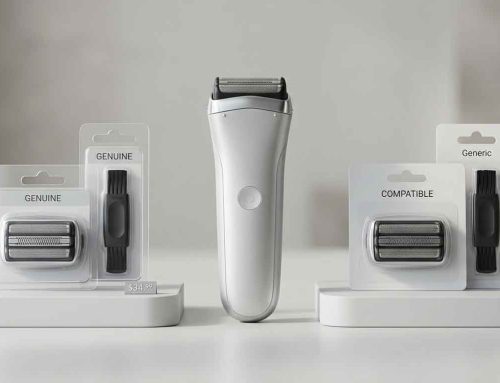
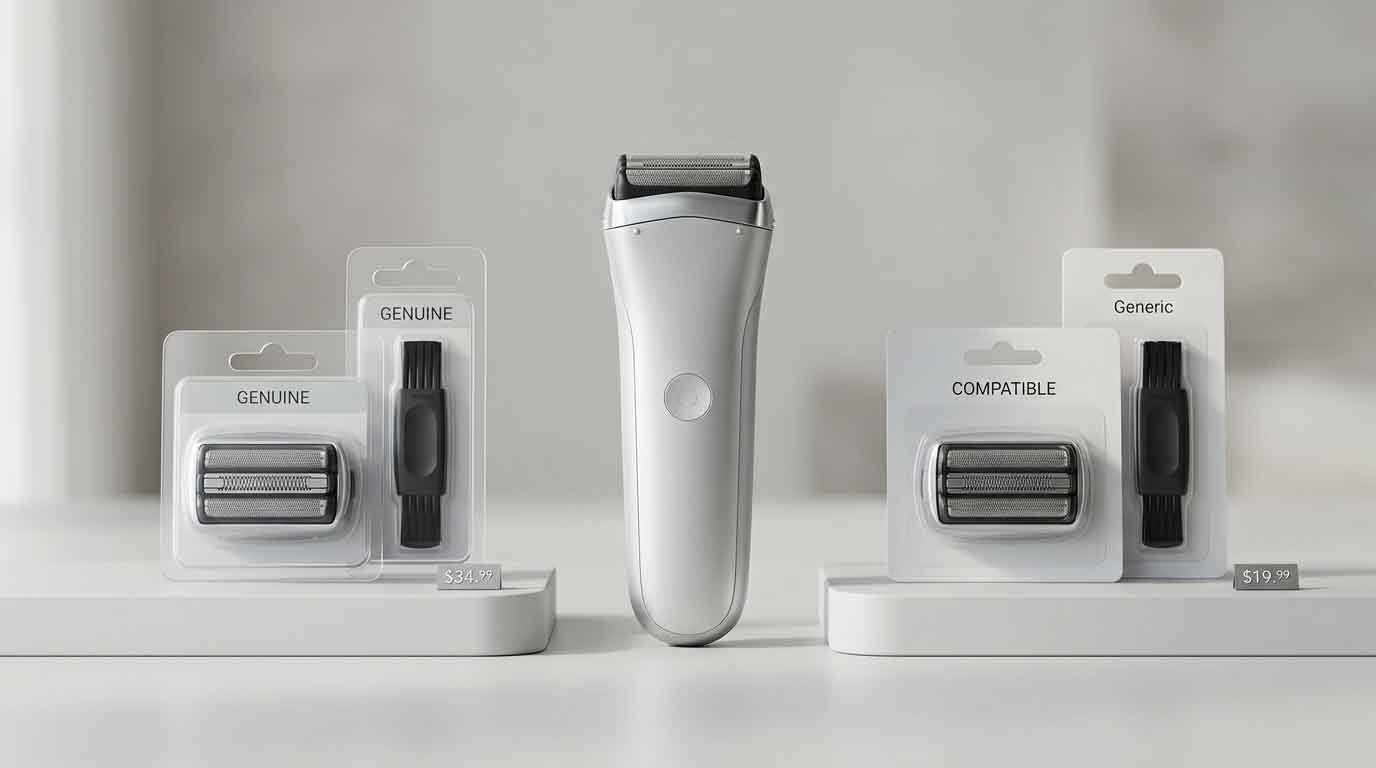
Electrospares.Net Ltd is the go-to destination for anyone who wants a genuine, model-matched replacement foil without the uncertainty of generic third-party parts. They stock a huge range of electric grooming replacement parts to suit all major manufacturers. From Panasonic and Braun through to Remington and Philips models, you will find the perfect shaver spares for your needs.
What sets Electrospares.Net Ltd apart for users searching for signs that their shaver foil needs replacing is the practical guidance they provide alongside every product. They provide helpful guidance on how to replace worn or damaged pieces, so your repair can be handled quickly and efficiently, no fuss required. If you cannot find a specific part by browsing, they can be reached directly on 01733 666688.
Pros:
- Stocks genuine parts for Braun, Philips, Panasonic, Remington and more
- Guidance on replacement included with parts
- Covers both current and older, discontinued models
- Based in the UK, so no import delays or currency uncertainty
Cons:
- Range limited to replacement parts and accessories rather than full shavers
- Website navigation can require your model number, which some users must locate in documentation
Frequently Asked Questions
How often should I replace my shaver foil?
Replace blades and foils every 12 to 18 months, or as advised by the manufacturer, to maintain optimal performance. If you have coarse or thick hair and shave daily, aim for the 12-month end of that range. Occasional shavers may get closer to 18 months before noticing any decline.
Can I replace just the foil without changing the cutter blades?
Technically yes, but it is not advisable. A foil is typically a thin plate only one of the two parts, such as just the foil or just the blades. This might seem like a quick, easy, and cheaper solution, but in the long run it can cause more problems and be more expensive. When you replace only the foil, the old blades will continue to wear down the new foil. Always replace both together.
Is a worn foil dangerous to use?
It can be. Electric shavers are designed with protective foils that prevent direct blade contact with skin, but cuts can occur from damaged foils. A foil with a crack, hole, or merged perforations exposes the inner cutter directly to your face. Stop using the shaver immediately if you spot visible damage and order a replacement before your next shave.
Will replacing the foil make my shaver feel like new again?
In most cases, yes, provided the motor and battery are still in good condition. Many people discard an electric bring your selected shaver back to peak performance. The smoothness, comfort and closeness provided by new cutters is remarkable. If the shaver is more than three to four years old and the motor sounds laboured even with a new foil, a new device may be warranted.
How can I make my foil last longer between replacements?
Proper maintenance, including using a cleaning station or manual lubrication, can help an electric shaver head reach its full 18-month potential by reducing friction-based wear. Clean the shaver after every use if possible, never tap the foil against a hard surface to dislodge debris (this can crack it), and apply a small drop of shaver oil monthly to reduce friction.
Final Thoughts
The seven signs your shaver foil needs replacing are not complicated to spot once you know what to look for, patchy shaves, pulling and tugging, skin irritation, excessive heat, unusual noise, visible foil damage, and a calendar date past 12-18 months of daily use. Acting on these signs early means a fraction of the cost of a new shaver, better skin health, and a morning routine that works with you rather than against you.
I’ve found that most people are genuinely surprised by how much performance they recover after a foil change. If your shave has been gradually declining over months, a fresh foil and cutter block from Electrospares.Net Ltd is the fastest, most affordable fix available.
Sources
- When to Replace Shaver Blades: 5 Clear Signs, Electrospares.Net Ltd. Blade performance and visible damage guide. https://www.shaver-spares.co.uk/Article/When-to-Replace-Shaver-Blade-5-Clear-Signs
- Shaving Spare Parts and Accessories, Electrospares.Net Ltd. Product range and replacement guidance. https://www.shaver-spares.co.uk/Category/Shaving-Spare-Parts-and-Accessories
- Why and When You Should Replace Your Blades and Foils, Shavers.co.uk. Brand recommendations and replacement schedules. Many people discard an electric
- How Often Should You Replace the Blades and Foils?, ShaverCheck. Signs of wear and replacement advice. https://shavercheck.com/replace-blades-foils/
- How Often Should You Replace Electric Shaver Blades?, NuvyCare. Maintenance guide with timelines. https://www.nuvycare.com/blogs/news/how-often-replace-electric-shaver-blades
- How Often Should You Replace the Blades and Foils?, GroomShaper. Hair type and replacement frequency analysis. https://groomshaper.com/how-often-should-you-replace-the-blades/
- Always Replace Both the Foil and Blades Together, Fiyo.co.uk. Foil and cutter replacement best practice. A foil is typically a thin plate
- Do Electric Shavers Get Dull?, ShaverOne. Blade wear, cost analysis and replacement guidance. https://shaverone.com/blogs/news/do-electric-shavers-get-dull-blade-wear-signs-replacement-guide
- Why Is Your Electric Razor Pulling Hair?, OceanSide Hair Salon. Foil wear symptoms and fixes. https://oceansidehairsalon.com/blog/electric-shavers/electric-razor-pulling-hair/
- How Often Should You Replace Electric Shaver Heads?, Metz. Cost and maintenance guide. https://metzcare.com/blogs/tips/how-often-should-you-replace-electric-shaver-heads
- How to Eliminate Razor Burn from Electric Shavers, ShaverCheck. Skin irritation causes and solutions. https://shavercheck.com/eliminate-electric-razor-burn/
- How Often to Replace Shaver Foil and Cutter, BuyBarber. Professional inspection and replacement guidance. https://buybarber.com/blogs/news/how-often-to-replace-shaver-foil
- Replacement Schedule for Men Electric Shaver Heads, MenElectricShaver.com. Foil vs rotary replacement frequency. https://menelectricshaver.com/blog/when-to-replace-men-electric-shaver-heads
- Industry Standard for Electric Shavers, HuuX. Foil temperature and safety standards. https://huux.com/industry-standard-for-electric-shavers/
- Panasonic, Braun, Philips, Remington Shaver Parts, ShaverCentre. Brand-specific replacement schedules. https://www.shavercentre.com/canada/shaver_parts.html