

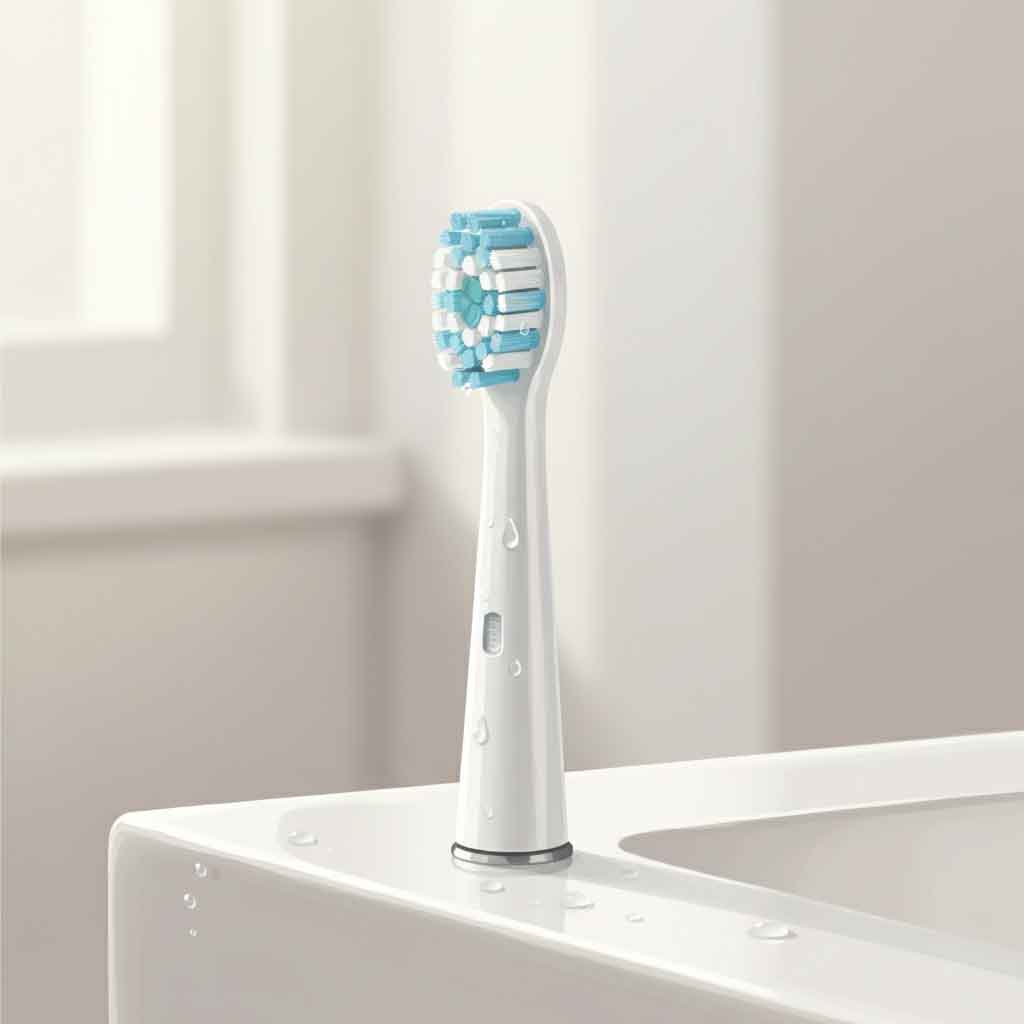
How Often Should You Replace Your Electric Toothbrush Head

How Often Should You Replace Your Electric Toothbrush Head
Most people replace their electric toothbrush head far less often than they should. Research shows the percentage of adults replacing toothbrush heads every three months dropped from 64% in 2023 to 53% in 2025, meaning nearly half of all people are brushing with heads that may no longer work properly. That is a considerable portion of the population quietly undermining the very habit they think is protecting their teeth.
The good news is that fixing this costs very little and takes about 30 seconds. Understanding the right replacement schedule, and the signs that tell you to act sooner, is all you need to keep your oral health genuinely on track.
Key Takeaways
- Replace every three months as a baseline: The American Dental Association (ADA) advises replacing toothbrush heads every three to four months, or more often if the bristles are visibly matted or frayed. Set a calendar reminder now if you are unsure when you last changed yours.
- Worn bristles reduce cleaning power: Fresh bristles remove up to 30% more plaque than worn ones, so if your plaque levels are creeping up, your brush head may be the culprit before your technique is.
- Illness triggers an immediate swap: Germs can live on a toothbrush for between 24 hours and a few weeks, depending on the specific type of illness or bacteria, making a head change after sickness a simple, low-cost precaution.
- Children need more frequent replacement: Experts recommend replacing children’s electric toothbrush heads every two months rather than waiting the standard three months, because children tend to brush with heavier pressure and chew on the bristles.
- Visual indicators are your early-warning system: Many modern heads include indicator bristles, blue fibres that fade to white, and once the colour disappears halfway up the bristle, it is time to replace the head.
Quick-Start Prioritisation Framework
Use this table to identify which replacement trigger applies to you right now.
| Situation | Recommended Action | Urgency |
|---|---|---|
| Cannot remember last replacement | Replace today | Immediate |
| Bristles visibly frayed or splayed | Replace today | Immediate |
| Recovering from flu, strep or oral infection | Replace after symptoms clear | Immediate |
| Colour indicator bristles faded to white | Replace within the week | High |
| Three months have passed with no visible wear | Replace on schedule | Routine |
| Brushing more than twice daily or with braces | Replace every 6-8 weeks | Frequent |
| Child’s brush head | Replace every two months | Frequent |
Start here if you are:
- Unsure when you last replaced: Check the colour indicator bristles on your current head. If they have faded, or if you genuinely cannot remember, replace immediately, the cost of a new head is far lower than the cost of a filling.
- A heavy brusher or brace-wearer: Inspect your head monthly rather than quarterly, as pressure and hardware accelerate bristle wear significantly.
- Managing a household with children: Put a recurring reminder in your calendar for every eight weeks, covering both children’s and adult heads in one go.
Why the Three-Month Rule Exists
The Science Behind Bristle Degradation
Over time, toothbrush bristles lose their shape and become less effective at removing plaque and bacteria. Even if you brush your teeth twice a day, a worn-out toothbrush will not clean as well as it should. This happens because the fine tips of nylon bristles gradually splay outward and flatten, losing the precision needed to reach into gum pockets and between teeth.
Research published in the International Journal of Dental Hygiene suggests that soft-bristle toothbrushes with the proper technique can improve oral health whilst reducing abrasive wear on dentine, making them particularly effective for the precision needed to reach into gum pockets and between teeth. In other words, three months is not an arbitrary marketing figure; it reflects a genuine point at which bristle performance begins to decline meaningfully.
When bristles are bent, energy from the motor dissipates rather than focusing on tooth surfaces. Regularly replacing the head keeps the handle performing like new and prevents unnecessary stress on the motor from compensating for a dull, inefficient brush.
What the ADA Actually Says
Because a worn toothbrush is less effective in cleaning, the American Dental Association recommends60924-7/fulltext) replacing your toothbrush every three to four months or sooner if the bristles become frayed. Proper toothbrush care is important to your oral health. This guidance applies equally to manual brushes and electric toothbrush heads.
The ADA recommends replacing toothbrushes every three to four months, or sooner if they have visible signs of damage, but as the director of the graduate dental hygiene programme at the University of Michigan School of Dentistry notes, “I would assume that most people keep their toothbrushes longer than recommended.”
Pro tip: Write the replacement date on a small piece of tape stuck to your bathroom mirror when you fit a new head. No app needed, a simple date on the mirror is visible every morning and works with any brand.
Five Signs You Need a New Head Right Now
1. Frayed or Splayed Bristles
The most obvious sign is visible wear on the bristles. Frayed, splayed, or discoloured bristles lose their ability to clean effectively, especially in hard-to-reach areas like between teeth or along the gumline. Hold your brush head up to a light source and look at it from above, if the bristles point outward rather than standing straight, the head is overdue for replacement.
2. Colour Indicator Bristles Have Faded
Oral-B advises replacing the brush head every three months, or when the blue indicator bristles fade to white, or earlier if you notice fraying. Philips Sonicare similarly confirms that dental professionals recommend changing your brush head every three months, and their BrushSync technology tracks how often and how hard you brush, then reminds you when it is time to replace your brush head. If your head does not have indicator bristles, a quarterly calendar reminder serves the same purpose.
3. Reduced Cleaning Performance
If you notice your teeth do not feel as clean after brushing, or you are seeing more plaque build-up, your toothbrush may no longer be up to the task. Worn bristles cannot scrub away debris as effectively, compromising your oral hygiene. A build-up of visible plaque near the gumline after brushing, despite good technique, is a reliable indicator to change the head immediately.
4. Discolouration or Trapped Debris
If your toothbrush head shows discolouration or has visible food particles stuck between bristles, it is time for a replacement. These signs not only reduce cleaning efficiency but can also harbour bacteria, undermining your oral hygiene efforts.
5. You Have Recently Been Ill
You should consider changing your electric toothbrush head after any infectious illness, such as the flu, common cold, strep throat, or mouth infection. These conditions are known to leave behind pathogens that could potentially cause reinfection if not addressed. The Cleveland Clinic recommends replacing your toothbrush after illness, as the damp environment inside a brush head keeps viruses and bacteria viable for longer than most people expect.

Factors That Shorten the Lifespan of Your Brush Head
Brushing Pressure
To extend the life of a new toothbrush head, try not to brush too hard, which can warp, bend, or otherwise damage the bristles. Certain electric toothbrushes do much of the hard work for you, so vigorous brushing is not needed. Many modern electric handles include a pressure sensor that flashes or slows the motor when you press too hard, use it as a training tool rather than ignoring it.
Frequency of Use
If you brush your teeth more than twice a day, your electric toothbrush head might wear down sooner than expected. Those who brush after every meal, or who use their brush to clean orthodontic appliances, should inspect the head monthly and plan to replace it every six to eight weeks.
Storage Conditions
If a toothbrush is stored in a dark and closed container, this allows bacteria and other microbes to thrive and build up on your toothbrush. At home, never snap on a closed protective cap right after brushing. That traps moisture and creates a sealed, humid chamber where bacteria multiply fast. A damp cover does more harm than good.
The simple fix: store your brush head upright in an open holder, allow it to air-dry fully between sessions, and keep it away from the toilet area of the bathroom.
Pro tip: If you share a bathroom with family members, use colour-coded brush heads or label each head with a small sticker. Each person should have their own brush head, sharing is a fast way to pass bacteria, viruses, and other germs back and forth. If you have multiple electric toothbrushes in your household, keep them separated so the brush heads do not touch each other.
Choosing the Right Replacement Head
Compatibility Matters
Oral-B and Sonicare brush heads are not interchangeable. Both brands use distinct attachment mechanisms and motor types, so always confirm your handle’s model number before purchasing a replacement. All Philips Sonicare brush heads are compatible with all Philips Sonicare electric toothbrushes, simply click on or off for easy cleaning or replacement. Within the Oral-B range, the same principle applies: check the series, not just the brand name.
Bristle Type for Your Needs
The consensus recommendation is for people to brush their teeth for two minutes twice a day with a toothbrush that has soft bristles. For most people, a standard soft-bristle replacement head is the correct choice. Sensitive gum variants use finer, more flexible bristles and suit those prone to gum recession or enamel wear. Whitening heads typically feature denser bristle clusters that provide additional polishing action.
Generic vs. Branded Heads
Some off-brand or generic brush heads advertise compatibility with several models, but quality and fit can be hit or miss, check for customer reviews and bristle design. Reputable compatible heads from established retailers can offer good value, provided they are confirmed to fit your specific handle. Electrospares.Net Ltd stocks a wide range of compatible replacement heads for popular Oral-B and Philips Sonicare handles, allowing you to find the right fit without overspending on official retail packs.
Pro tip: Buying replacement heads in multipacks, typically three or four heads per pack, aligns neatly with a quarterly replacement schedule and usually reduces the per-head cost significantly. Some retailers also offer a subscription delivery so you receive a new head every three months without needing to remember.

Common Mistakes That Undermine Your Oral Health
Waiting Until the Head Looks Completely Destroyed
In my experience, most people wait until bristles are visibly mangled before replacing the head. The problem is that cleaning effectiveness declines gradually, well before the head looks obviously worn. Three months is a baseline because regular use gradually reduces bristle effectiveness, even before the head looks damaged. By the time the bristles look terrible, you will have been underperforming your oral hygiene routine for weeks.
Relying Solely on How the Brush Feels
I have found that the familiarity of a long-used brush head creates a false sense of confidence. Over time, your mouth adapts to the sensation, so a worn head simply feels normal rather than ineffective. Even if your brush head still looks okay after a few months, those bristles may not be doing their job effectively. Brushing twice a day is a great habit, but if your brush head is worn out, it might not be cleaning as well as you think.
Ignoring Replacement After Illness
While you might assume you caught something new after recovering from illness and falling sick again shortly after, there is a good chance you reinfected yourself with your own toothbrush. Most people understand the importance of handwashing and surface disinfection during illness, but toothbrush hygiene remains surprisingly overlooked. This oversight can extend recovery time, trigger recurring symptoms, and even spread illness throughout your household. Replacing the head as soon as your symptoms pass is one of the simplest post-illness hygiene steps available to you.
Frequently Asked Questions
How often should I replace my electric toothbrush head?
You should replace your brush head every three to four months, or sooner if you notice the bristles becoming frayed and worn. This recommendation applies to all major brands including Oral-B and Philips Sonicare. If you are unsure when you last changed the head, treat today as the reset point and note the date somewhere visible.
Does a worn brush head actually clean less effectively?
Yes, and the evidence is clear. While you can physically use a head for longer than three months, worn bristles lose their effectiveness and remove significantly less plaque than a fresh brush head. Clinical research suggests that a new brush head is necessary to ensure you are getting the most effective clean for your teeth and gums. If your teeth feel less clean after brushing, or your dentist is noting more plaque at check-ups, start with the simplest fix: a new head.
Should I replace the head after being ill even if it is not yet three months old?
Replacing your toothbrush head after recovering from a contagious illness is a simple and affordable precaution. It eliminates any concern about lingering bacteria or viruses on the bristles and gives you a fresh start as you return to your normal routine. If you use an electric toothbrush, you do not need to replace the entire device, just switch out the brush head.
How can I make my brush head last as close to three months as possible?
Good daily habits extend the effective life of every head. Rinse your toothbrush with tap water after use to remove toothpaste and debris. Avoid overbrushing, putting too much pressure on your toothbrush causes the bristles to wear out more quickly and be less effective when cleaning. Store your toothbrush in an upright position to let it air-dry.
Are replacement heads for children different to adult heads?
Yes, children’s heads are typically smaller to fit smaller mouths and may have gentler bristles. American Dental Association recommends60924-7/fulltext) to be replaced more frequently than adult ones, and experts recommend replacing them every two months rather than every three, since children tend to apply more pressure and chew on the head during brushing. Always choose a head appropriate to your child’s age and the handle model you own.
The Bottom Line
Replacing your electric toothbrush head every three months is one of the highest-value, lowest-effort habits in your oral care routine. The ADA’s official toothbrush guidance is clear, the clinical rationale is well established, and the cost of a replacement head is a fraction of the cost of treating a cavity or managing gum disease.
Check your current head today. If the indicator bristles have faded, the bristles are splayed, you cannot remember when you last changed it, or you have recently recovered from an illness, replace it now. A fresh head, stored properly and changed on schedule, ensures every brushing session delivers the clean your teeth and gums deserve.
For compatible replacement heads for Oral-B, Philips Sonicare, and a wide range of other popular handles, Electrospares.Net Ltd offers a straightforward selection to keep your routine on track without the guesswork.
Sources
- Toothbrushes, Oral Health Topics, American Dental Association. Official clinical guideline on toothbrush replacement frequency and care. https://www.ada.org/resources/ada-library/oral-health-topics/toothbrushes
- Toothbrush Care, Cleaning and Replacement, Journal of the American Dental Association. Peer-reviewed guidance on replacement schedules and bacterial contamination. American Dental Association recommends60924-7/fulltext)
- When to Replace Electric Toothbrush Heads, AquaSonic. Consumer data on replacement habits and clinical context. https://www.aquasonic.com/blogs/news/when-to-replace-toothbrush-head
- Evaluation of the Impact of Toothbrush Wear on Artificial Plaque Removal Efficacy, PubMed. Study finding that brush heads can maintain efficacy for up to three months. Research published in the International Journal of Dental Hygiene suggests that soft-bristle toothbrushes
- How Often Should You Change Your Electric Toothbrush, Snow Oral Care. Clinical context on wear, performance and replacement indicators. https://www.trysnow.com/blogs/news/how-often-to-replace-electric-toothbrush
- When to Replace Your Toothbrush or Brush Head, Sweet Hart Dental. Dentist-authored guidance on visible wear signs and replacement. https://www.sweethartdental.com/blog/when-to-replace-your-toothbrush-or-brush-head/
- Ultimate Guide to Electric Toothbrush Head Replacement, Ranvoo. Covers plaque removal data, bacteria research and illness replacement guidance. https://ranvoo.com/blogs/electric-toothbrush-guide/when-to-replace-your-electric-toothbrush-head
- Should You Replace Your Toothbrush After Being Sick?, HuffPost. Expert dentist commentary on post-illness replacement. https://www.huffpost.com/entry/replace-toothbrush-sick_l_63ebbf1ae4b0255caaee48fe
- How Often Should You Really Replace Your Toothbrush?, Time. University of Michigan dental hygiene faculty guidance on replacement habits. https://time.com/article/2026/06/29/how-often-should-you-replace-toothbrush/
- Break the Sickness Cycle: Essential Toothbrush Hygiene During Illness, Pristine Periodontics. Clinical guidance on post-illness oral hygiene tool replacement. https://pristineperioimplants.com/2025/09/break-the-sickness-cycle-essential-toothbrush-hygiene-during-illness/
- When to Change Your Toothbrush or Brush Head, Oral-B UK. Manufacturer guidance on indicator bristles and replacement schedule. https://www.oralb.co.uk/en-gb/oral-health/why-oral-b/electric-toothbrushes/how-to-clean-electric-toothbrush
- Toothbrush Replacement Heads, Philips Sonicare UK. Compatibility and dental professional recommendation for Sonicare heads. https://www.philips.co.uk/c-m-pe/toothbrush-heads
- When to Replace Your Toothbrush: Signs and Recommendations, Dentologie. Dental practice guidance on electric and manual replacement timing. https://dentologie.com/blog/when-to-replace-your-toothbrush-signs-recommendations
- Are Sonic Toothbrush Replacement Heads Compatible with All Brands?, MySmiles. Compatibility guidance for Oral-B and Sonicare heads. https://mysmilesteeth.com/blogs/mysmiles-blog/are-sonic-toothbrush-replacement-heads-compatible-with-all-toothbrush-brands