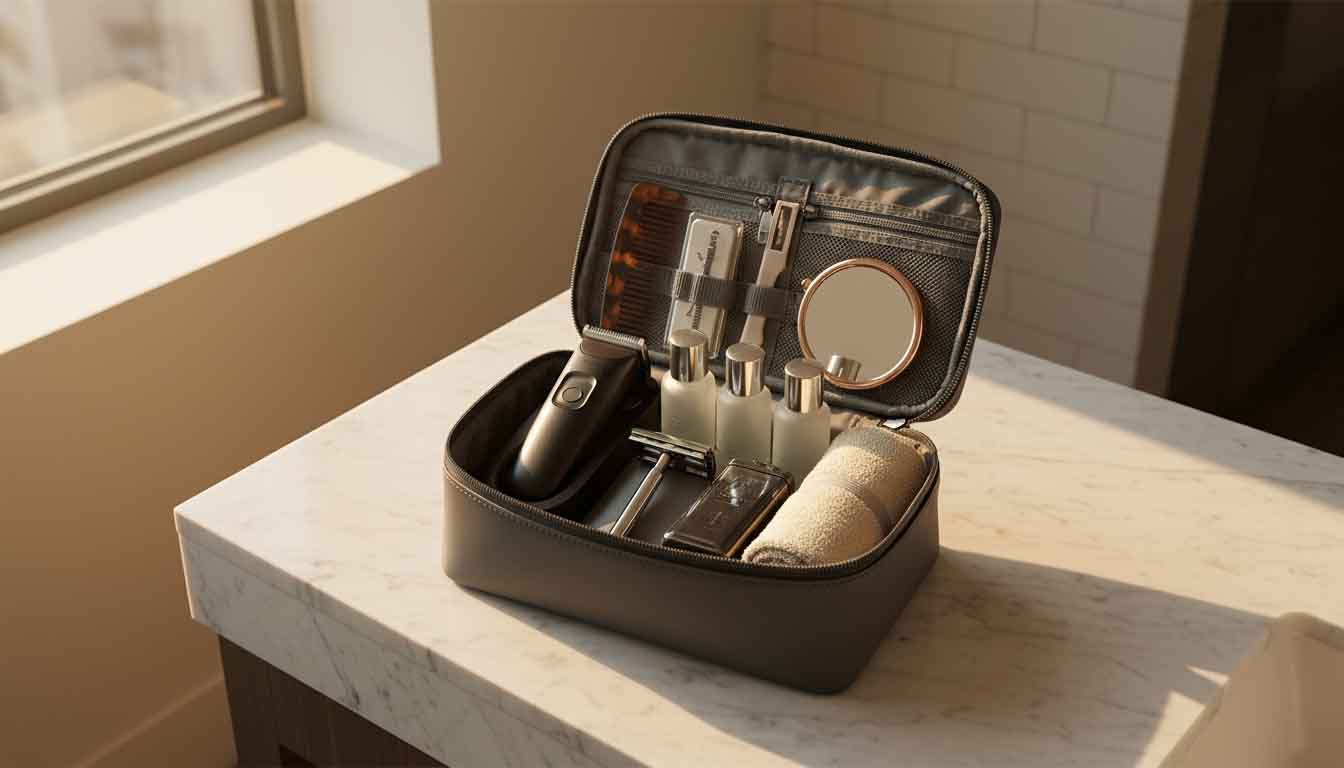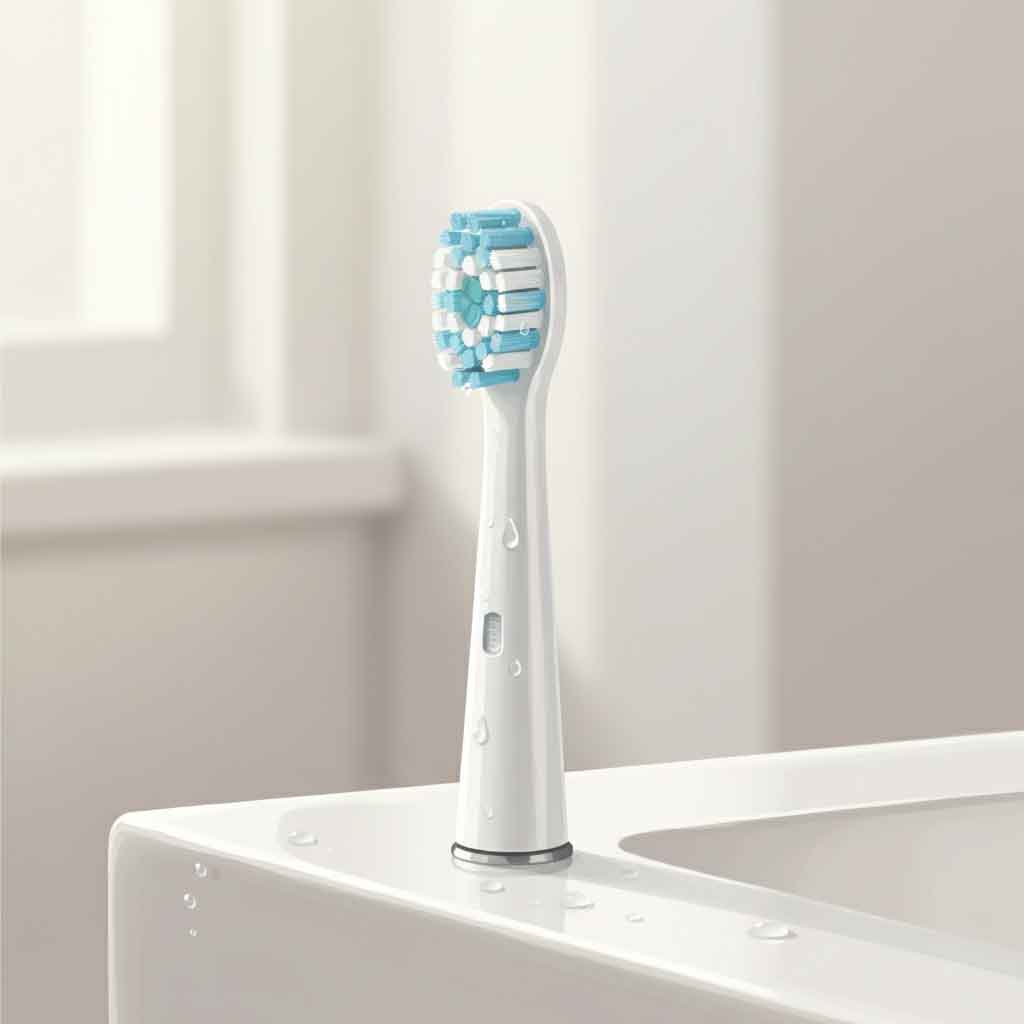



The global men’s grooming market is projected to grow from $74.39 billion in 2025 to $79.31 billion in 2026, and yet the vast majority of men are spending more than they need to while getting less from their routines than they deserve. According to a 2025 consumer spending analysis by NielsenIQ, the average man spends approximately $100 per month on grooming products, totalling $1,200 annually, and that figure excludes haircuts and professional services entirely. That is a remarkable sum for what should be a handful of well-chosen products used consistently.
In my experience, the problem is rarely that men invest too little in grooming. The problem is that they invest without a plan. A smarter grooming routine for men in 2026 requires no luxury products, no ten-step rituals, and no premium subscriptions. It requires knowing which categories matter, which products to maintain rather than replace, and where genuine savings hide in plain sight.

Key Takeaways
- The market is growing fast, but your spend does not have to. The men’s grooming products market was estimated at $66.44 billion in 2026, driven by premiumisation, but a budget-conscious routine built on four to six core products is fully capable of matching expensive multi-step alternatives in results.
- Skincare is the highest-impact, lowest-cost upgrade most men are missing. A basic skincare routine should include three essential steps: a cleanser to remove dirt and oil, a moisturiser to hydrate and protect the skin barrier, and a sunscreen with SPF 30 or higher. These can be achieved for under £20 a month.
- Replace shaver parts rather than the shaver. If the motor and housing are intact and only the blades or battery have degraded, replacing those parts is usually 60-80% cheaper than buying a new unit, and extends usable life by several more years. Act on this before the irritation starts.
- Younger men are spending more, not less, and often wasting the difference. According to a 2025 study by Barclays Bank, 42% of Gen Z men devote a larger share of their income to grooming, ahead of millennials at 29%. More money does not automatically mean better results, smarter decisions do.
- Over 60% of men feel stressed by their grooming routines, according to a Statista Consumer Insights report, which highlights the need for simplified approaches that prioritise well-being. Simplify first, then refine.
Quick-Start Prioritisation Framework
| Strategy | Best For | Effort Level | Time to Results |
|---|---|---|---|
| 3-step skincare (cleanse, moisturise, SPF) | All men, beginners | Low | 2-4 weeks |
| Electric shaver head replacement | Daily shavers with irritation | Low | Immediate |
| Hair wash frequency adjustment | Men with oily or dry scalp | Low | 1-2 weeks |
| Beard oil application technique | Bearded men with dry skin | Low | Days |
| Buying replacement parts vs. new shaver | Mid-range shaver owners | Low | Immediate saving |
| Bulk purchasing of consumables | All men | Low | Month one |
Start here if you are:
- New to grooming: Begin with the 3-step skincare routine. It takes under five minutes, costs very little, and delivers results faster than any other single change.
- Already grooming but frustrated by costs: Audit your shaver maintenance. Replacing a cutting head is almost always cheaper than buying new, and dull blades are costing your skin daily.
- Spending heavily with no clear benefit: Strip your routine back to six products maximum and track what you actually use within a month. Whatever remains unused goes.
Build Your Core Skincare Foundation First
The Three Steps That Actually Matter
A basic men’s skincare routine should include three essential steps: a cleanser to remove dirt and oil, a moisturiser to hydrate and protect the skin barrier, and a sunscreen with SPF 30 or higher, and these three products form the foundation of healthy skin taking less than five minutes to apply.
Men’s skin has its own characteristics, and understanding them helps you buy less and benefit more. Men’s skin is typically thicker than women’s, produces more sebum, and faces daily stress from shaving. This means your cleanser does not need to be expensive; it needs to be appropriate for your skin type. A gel formula works well for oily skin; a cream cleanser suits dry or sensitive skin.
Pro Tip: Apply products in order of consistency, thinnest to thickest. Men should apply skincare products in this order: cleanser, toner (optional), serum (optional), moisturiser, and sunscreen in the morning. Following this sequence takes less than four minutes and ensures each product absorbs properly rather than sitting on top of the previous layer.
Why Moisturiser Is the One Non-Negotiable
Cleansing, shaving, and daily exposure all strip moisture and weaken the skin barrier, and a moisturiser replaces that hydration and keeps the barrier intact, which is what prevents tightness, flaking, and the dull, tired look. Apply it twice daily: once in the morning before SPF, and once at night after cleansing.
Sun Protection on a Budget
Many men underestimate the importance of sunscreen on overcast days, mistakenly believing that clouds filter out UV radiation, however, up to 80% of UV rays can penetrate through cloud cover. This makes daily SPF non-negotiable, not seasonal. The good news: broad-spectrum SPF 30+ moisturisers that combine both steps are widely available from high-street brands at accessible prices, eliminating the need for a separate product altogether.
A basic skincare routine should consist of three minimum steps each day: cleansing, moisturising, and SPF, with best practice also including exfoliating two to three times per week for a deeper cleanse, helping to remove excess dirt and unclog pores. Add exfoliation only once the core three steps are habitual. Buying an exfoliator before the basics are consistent is a common waste of money.
Master the Shave Without Wasting Money

The Real Cost of Dull Blades
Here is where most men quietly lose money without realising it. Dull blades can reduce shaving performance, cause skin irritation, and make your daily grooming routine less effective. Beyond the discomfort, dull blades force repeated passes, which means more friction, more time, and faster damage to the rest of the device.
Most manufacturers recommend replacing your electric shaver heads every 12 to 18 months, though high-frequency users with coarse hair may need to swap them sooner to maintain skin health. If you shave daily and have not replaced the cutting head in over a year, your skin is already paying the price. Replace the head before you replace the entire device.
Replace the Head, Keep the Shaver
In most cases, replacing the shaver head is the smarter, more cost-effective option, electric head shavers are designed to last for years, with the motor, battery, and internal components typically outliving the blades. Replacing just the blades or cutting head is usually 60-80% cheaper than buying a new unit, and restores performance to near-original levels.
On average, shaver heads last 12 to 24 months depending on usage and maintenance, with foil shaver heads wearing out more quickly and needing replacement every 12-18 months, whereas rotary shaver heads can last 18-24 months. Knowing which type you own means you can plan ahead, rather than waiting for irritation to force your hand.
For genuine-quality replacement foils, blades, and accessories for Braun, Philips, Panasonic, and other major brands, Electrospares.Net Ltd at Shaver-Spares.co.uk stocks an extensive range of compatible parts, an efficient and affordable alternative to buying direct from the manufacturer at full retail price.
Maintain to Extend
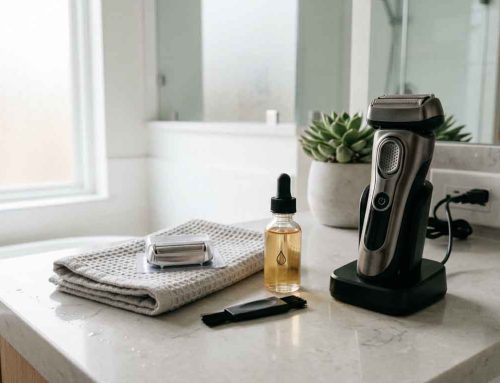
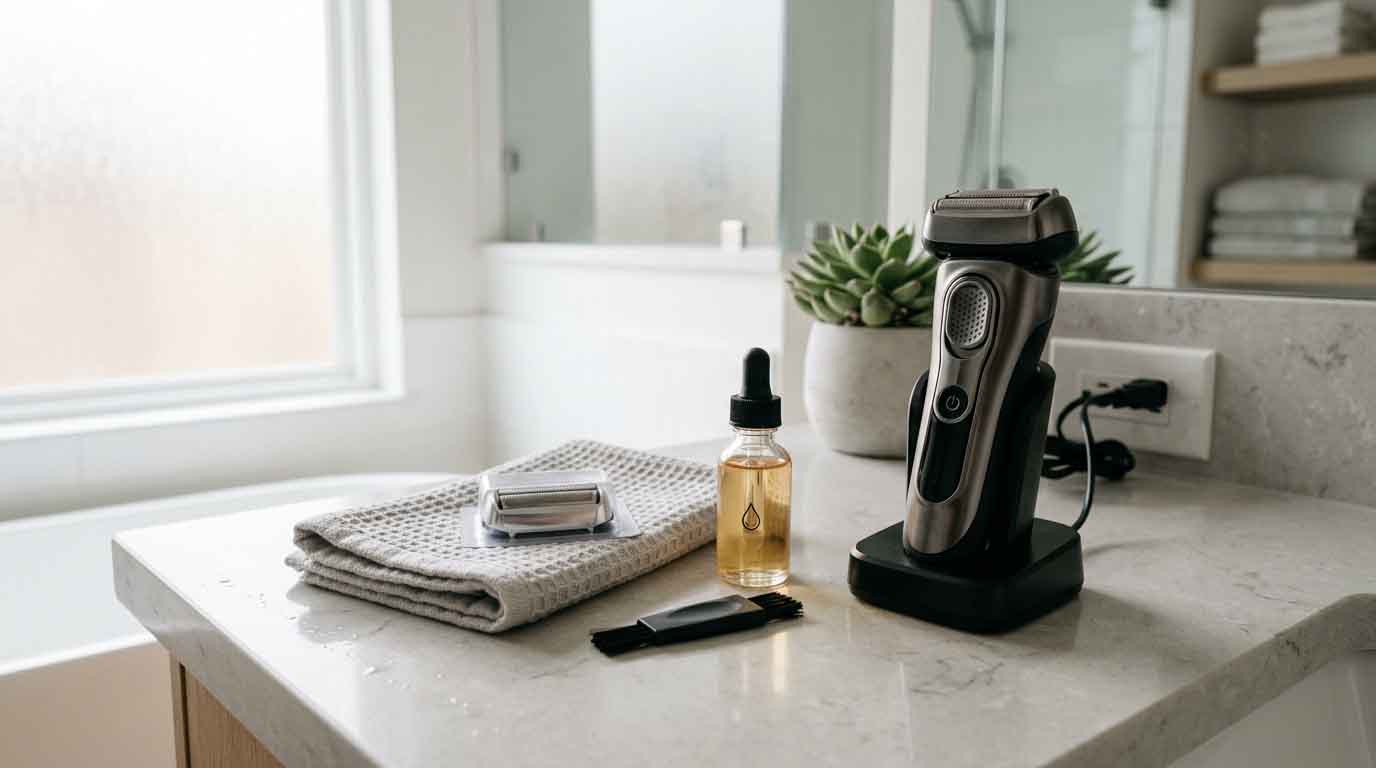
Hair debris left in the blade assembly accelerates dulling and creates a hygiene risk, and according to dermatology guidelines, unclean shaving tools are a leading cause of post-shave folliculitis and irritation. Clean the head after every use. For foil shavers, tap the inner cutter block (never brush the foil directly) and rinse under warm water.
Pro Tip: Apply a single drop of light machine oil to the foil once a week. This dramatically extends blade life by reducing metal-on-metal friction, and it costs virtually nothing. Do not use cooking oil or petroleum-based products, these damage blade coatings.
Sort Out Your Hair Without Overcomplicating It
How Often Should You Actually Wash?
You need to have some oil or build-up in your hair, otherwise you are constantly stripping it of its natural oils, and the more you wash your hair, the more you actually signal to your scalp that it needs to produce more oil to protect itself. Daily washing is appropriate only for men who exercise daily or use heavy styling products.
You can overwash straight hair, so shampoo every two to three days, followed by conditioner to replenish moisture. Men with curly hair should wash even less frequently, prioritising moisture-rich conditioners over daily shampoo.
The Conditioner Rule Most Men Ignore
Shampoo opens the hair cuticle and strips oils, conditioner closes the cuticle and restores moisture, leaving hair soft, manageable, and protected. This is especially important for short hair, which many men assume does not need conditioning.
I’ve found that the single most cost-effective hair upgrade most men can make is simply adding conditioner to every wash, regardless of hair length. A mid-range conditioner applied consistently outperforms an expensive shampoo used without it.
Buying in Bulk Saves Consistently
Rather than buying grooming products one at a time, purchasing shampoo, conditioner, and styling products in larger quantities leads to significant savings, and looking out for multi-pack deals or sales events maximises those savings further. For products you use consistently, a 500ml bottle almost always works out cheaper per wash than two 250ml bottles purchased at different times.
Get Beard Care Right Without the Premium Price Tag
The Biggest Beard Mistake
The most common myth in men’s grooming is believing you do not need beard care products until you have a full, flowing beard, but beard oil is formulated primarily for the skin underneath your facial hair. Apply it from day one of growth, not once the beard has arrived.
Without beard oil, facial hair can become dry, coarse, and itchy, leading to irritation and discomfort, so apply a high-quality beard oil daily, ideally after a shower when pores are open, to hydrate your beard and the skin beneath. A small bottle used correctly lasts considerably longer than most men expect.
How Often to Wash Your Beard
Wash your beard two to three times a week, not daily, over-washing strips essential oils and forces you to use more conditioning product to compensate, which is both counterproductive and expensive.
Beard oils under £15 can be just as effective as luxury versions, provided they contain nourishing ingredients such as argan or jojoba oil. When comparing products, check the ingredient list first and the branding second. The bottle rarely justifies the price difference.
Pro Tip: The turning point for many men comes down to one simple technique shift, the moment you stop treating beard oil as a surface hair polish and start massaging it directly into the skin at the base of the hair root, everything changes. Work it into the skin, not just the hair tips.
Five Grooming Mistakes That Cost You Money

Neglecting to Prep Before Shaving
When facial hair is dry, it is tougher and harder to cut, the razor has to work more, which increases pulling, irritation, and razor burn, so warm water helps soften the hair before shaving, and washing your face, taking a shower, or placing a warm towel on the beard area for a few minutes can make shaving much smoother. This costs nothing and reduces blade wear significantly.
Skipping Post-Shave Care
The skin often needs care after shaving, rinsing the face, drying gently, and using a moisturiser, beard oil, or balm can help calm the skin and keep the beard softer, and without aftercare, dryness, itching, and irritation become more likely.
Brushing the Foil Directly
Most men aggressively brush the top of the foil to remove hair, never do this, as the bristles will bend the ultra-thin metal mesh. Remove the cassette and use the cleaning brush only on the inner cutter block. This single habit can extend foil life by months.
Over-washing the Beard
Washing a beard daily strips the natural oils that condition facial hair and the skin beneath it, leading men to buy more oil and balm to compensate. Reduce beard washing to two or three times weekly and watch product consumption drop noticeably.
Replacing the Entire Shaver When Only the Head Needs Changing
Before buying a whole new device check common symptoms, most ‘broken’ shavers just need a simple £25-£40 part replacement. In most cases, replacing just the cutting head is the more economical choice for a mid-range or high-end shaver, since a new head typically costs a fraction of a full replacement unit. If you own a decent shaver, this is almost always the right call.
Frequently Asked Questions
How many products does a man actually need for a complete grooming routine?
Most men achieve excellent results with six products: a facial cleanser, moisturiser with SPF, shampoo, conditioner, a shaving product (whether pre-shave gel or shaving cream), and either a beard oil or an aftershave balm depending on their facial hair situation. You do not need ten-step routines to achieve clear, healthy skin, a gentle face wash, an affordable moisturiser with SPF, and a basic exfoliator can go a long way.
How do I know when to replace my electric shaver head rather than buy a new shaver?
The key lies in knowing exactly how often to replace your electric shaver head, while most brands suggest a window of 12 to 18 months, the truest measure is the quality of your shave, so pay attention to early signs such as tugging, heat, and irritation. If your shaver’s motor, casing, and battery still function normally, always replace the head rather than the device. Replacement parts for most major brands are readily available from specialist retailers such as Shaver-Spares.co.uk at a fraction of the cost of a new unit.
Is there a difference between foil and rotary shaver head replacement schedules?
Yes, and the difference matters for budgeting. Foil shavers generally require more frequent attention because the foils are thinner, most experts recommend a 12-month check for foils, while some rotary heads can last up to 24 months depending on the brand. If you own a foil shaver and shave daily, calendar a head inspection at the 10-month mark rather than waiting for irritation to appear.
Can I build an effective grooming routine on a tight budget?
Absolutely. Staying well-groomed does not mean spending thousands on high-end products or expensive salon visits, with the right techniques, products, and habits, you can master budget grooming and look just as sharp as those who splurge. Focus spending on tools with long lifespans (a quality electric shaver, a good trimmer), buy consumables in bulk where possible, and prioritise consistency with inexpensive basics over occasional use of expensive ones.
How often should men wash their hair to keep it healthy without overspending on product?
There is no strict rule, but you should wash your hair with shampoo and conditioner no more than three times a week for most hair types. Washing daily depletes natural oils, which ironically leads to spending more on conditioners and treatments to compensate. Match your wash frequency to your hair type and activity level, and always follow shampoo with conditioner to restore what the cleanser removes.
Final Thought
A smarter grooming routine for men in 2026 is built on consistency, not cost. The data is clear: men are spending more than ever on grooming products, and a significant portion of that spend is misdirected toward novelty, impulse purchases, and full device replacements when a single part would have done. Start with the three-step skincare foundation, audit your shaver maintenance schedule, and resist the pull of marketing that convinces you the next product will transform your results.
The basics, done well, are the strategy.
Sources
- Men’s Grooming Products Market Report 2026, Research and Markets. Global market size and growth data for 2025-2026. https://www.researchandmarkets.com/reports/6190940/mens-grooming-products-market-report
- Men’s Grooming Products Market Size and Forecast, Mordor Intelligence. Global market valuation and CAGR data 2026-2031. https://www.mordorintelligence.com/industry-reports/men-grooming-products-market
- The Grooming Boom: Men Are Finally Buying Skin Care for Themselves, Glossy. Barclays Bank 2025 study on Gen Z vs. millennial grooming spend. https://www.glossy.co/beauty/the-grooming-boom-men-are-finally-buying-skin-care-for-themselves/
- Men’s Grooming Products Market Size Report 2026-2033, Grand View Research. UK market share and skincare adoption data. https://www.grandviewresearch.com/industry-analysis/uk-mens-grooming-products-market-report
- Save 365 Hours: Low-Maintenance Grooming for Men, Beyond the Razor. NielsenIQ consumer spending data and routine stress statistics. https://beyondtherazor.net/men-s-grooming-reclaiming-365-hours-in-2026/
- Men’s Skin Care Routine 2026, Ulta Beauty. Three-step routine guidance and product application order. https://www.ulta.com/discover/beauty-education/mens-skin-care-routine
- The Simple 5-Step Men’s Skincare Routine, NIVEA Men. Minimum daily steps and exfoliation frequency. https://www.niveausa.com/articles/routines/mens-routine/men-skincare-routine
- How Often Should You Replace Electric Shaver Blades, Nuvycare. Blade lifespan, usage frequency guidance. https://www.nuvycare.com/blogs/news/how-often-replace-electric-shaver-blades
- How Often to Replace Electric Shaver Heads, Metz. Foil vs. rotary replacement schedules and maintenance. https://metzcare.com/blogs/tips/how-often-should-you-replace-electric-shaver-heads
- Replacement Schedule for Men Electric Shaver Heads, MenElectricShaver.com. Manufacturer recommendations and maintenance guidance. https://menelectricshaver.com/blog/when-to-replace-men-electric-shaver-heads
- Electric Shaver Replacement Parts and Cleaning Guide 2026, MenReviewHub. Cost analysis and blade maintenance advice. Before buying a whole new device
- How Long Do Electric Shavers Last, PickShavers. Cost comparison: replacing parts vs. buying new unit. https://roundtheyear.com/how-often-to-replace-electric-shaver-head/
- How to Clean a Head Shaver: The Complete Guide, ShaverPro Shop. Dermatology guidelines on shaver hygiene and folliculitis risk. https://shaverproshop.com/blogs/infos/how-to-clean-and-maintain-your-electric-head-shaver-the-ultimate-guide
- How Often to Replace Electric Shaver Head, ShavyClean. Brand-specific replacement windows and shave quality assessment. https://shavyclean.com/how-often-to-replace-electric-shaver-head/
- Grooming on a Budget: Save Smart, Splurge Right, Seven Potions. Beard washing frequency and budget product guidance. https://sevenpotions.com/blogs/society/grooming-on-a-budget-where-to-save-and-where-to-splurge
- Men’s Grooming Best Price Comparison 2025, Guild of Harmony. Beard oil value comparisons and subscription service analysis. https://www.guildofharmony.com/mens-grooming-best-price-comparison-2025/
- 7 Hair Care Tips for Men, Brickell Men’s Products. Wash frequency guidance for straight and curly hair types. https://brickellmensproducts.com/blogs/grooming-manual/7-haircare-tips-for-men
- Men’s Hair Care 101, Prose. Expert guidance on washing frequency and scalp oil management. https://prose.com/blog/mens-hair-tips
- What Beard Care Mistakes Should I Avoid, Impact Essentials. Beard oil application technique and skin hydration guidance. https://www.impactessentials.ca/blogs/grooming-insights/beard-care-mistakes-to-avoid
- Mistakes to Avoid When Shaving Beards, K24 Digital. Pre-shave preparation and post-shave care guidance. https://dermatologyofct.com/the-dermatologists-guide-to-healthy-shaving-prepping-shaving-and-choosing-the-right-aftershave/