

Build a Simple Grooming Routine That Works After 50

Build a Simple Grooming Routine That Works After 50
To build a grooming routine after 50, the basic process involves updating your skincare to address biological changes in your skin, rethinking how you shave, and tightening up the details, hair, brows, and the areas most men overlook. None of it needs to be complicated. Done consistently, even a five-minute morning routine will produce visible results within a few weeks.
The honest truth is that most men over 50 are still using the same routine they had at 30. That routine stopped working years ago. Male skin after 50 is biologically distinct. Collagen production slows, cellular turnover decelerates, and the effects of decades of environmental exposure, sun, shaving, and stress, become increasingly visible. The answer is not a bathroom shelf full of premium products. The answer is the right products, used in the right order, every day.
According to new Mintel research more than half, 52%, of US men now use facial skincare products, a 68% increase from 2022. The shift is real. Men are catching up. If you are reading this in your 50s, you are arriving at exactly the right moment to make a lasting difference to how your skin looks and feels.
Key Takeaways
- Collagen loss is measurable and addressable: From around the age of 30, the body produces roughly 1% less collagen per year. By 50, this reduction is significant, skin becomes thinner, less elastic, and takes longer to recover from the micro-trauma of shaving. Start a retinol product tonight.
- Sun protection is the single highest-return habit: Clinical signs of ageing are essentially influenced by extrinsic factors, especially sun exposure. UV exposure seems to be responsible for 80% of visible facial ageing signs. If you are not using SPF 30 or above every morning, this is the one change that will matter most.
- Electric shavers reduce irritation on older skin: Electric shavers are safer and gentler for older men with thin, sensitive skin. They reduce the risk of nicks, cuts, and razor burn compared to manual razors. Replace the heads on schedule to preserve that benefit.
- Hair care needs updating after 50: Ageing hair often brings changes such as hair loss, hair thinning and an increase in dryness. Ageing hair is more prone to damage as the hair diameter is thinner and the hair follicle is missing some vital lipids. Switch to a sulphate-free shampoo and condition every wash.
- Consistency beats complexity: A skincare routine over fifty does not need to be complicated, but it should be consistent. The key is finding products that work well together and sticking with them long enough to see results.
Quick-Start Prioritisation Framework
Use this table to work out where to begin. Pick the row that matches your current situation, and do that first before adding anything else.
| Strategy | Best For | Effort Level | Time to Results |
|---|---|---|---|
| SPF 30+ every morning | All men over 50, no exceptions | Low | Ongoing prevention |
| Gentle cleanser morning and night | Men currently using bar soap | Low | 1-2 weeks |
| Rich moisturiser with ceramides | Dry, tight, or flaky skin | Low | Days |
| Electric shaver switch | Redness and irritation after shaving | Medium | Immediate |
| Retinol 2-3 nights per week | Visible lines, dullness, uneven tone | Medium | 6-12 weeks |
| Weekly exfoliation | Dull, rough texture | Low | 2-3 weeks |
| Sulphate-free shampoo + conditioner | Dry or brittle grey/white hair | Low | 2-4 weeks |
Start here if you are:
- A complete beginner: Gentle cleanser, a moisturiser with ceramides, and SPF 30+, those three steps deliver the fastest, most visible result for the least effort.
- Managing sensitive skin or shaving irritation: Switch your blade razor for an electric shaver first. Everything else builds on a comfortable shave.
- Looking to address visible lines: Add retinol two nights per week once your basic routine is solid. Do not rush this step.
Step 1, Understand What Has Actually Changed in Your Skin
Before buying a single product, it helps to understand what you are working with.
The Biology Behind the Changes
Skin after 50 produces less natural oil, so moisture escapes faster and elasticity weakens as collagen declines, leading to tighter-feeling skin, visible fine lines, and reduced softness across the face and neck. Male skin is 20 to 25% thicker than female skin, with a denser collagen network, but after 50 this collagen depletes rapidly, accelerating the appearance of deep lines. That thickness, which once gave you an advantage, is no longer the protection it was.
Men’s skin naturally produces less oil as testosterone levels decline with age. This makes the skin drier, which means it provides less natural lubrication during shaving and is more prone to tightness and flaking.
What This Means for Your Routine
The only real difference at 50 is that ceramides and richer moisturisers become less of a “nice to have” and more of a “you’ll feel the difference.” You do not need to rebuild your routine from scratch. You need to upgrade it with ingredients that match what your skin actually needs now.
Pro Tip: The morning after you introduce a richer moisturiser, apply it to slightly damp skin immediately after washing. Water absorption increases by a meaningful margin when the barrier is already open. This habit costs nothing and makes every product work harder.
Step 2, Build Your Morning Skincare Routine
In my experience, the morning routine is where most men see the fastest results, because it is the one they actually stick to.
The Non-Negotiable Three Steps
Step 1, Cleanse. Wash with a gentle cleanser rather than bar soap, which strips oil and leaves older skin tight and flaky. Thirty seconds with a gentle, fragrance-free face wash removes overnight oil build-up without stripping the skin barrier you need intact for the rest of the day.
Step 2, Moisturise. The American Academy of Dermatology suggests applying moisturiser within three minutes of washing your face or exiting the shower, to lock in moisture. Look for a formula that contains ceramides, hyaluronic acid, or peptides, ingredients that address the specific deficits that come with older skin.
Step 3, SPF 30 or above, every morning. This is not negotiable. UV exposure seems to be responsible for 80% of visible facial ageing signs, according to a study published on PubMed by the US National Library of Medicine. Unlike natural ageing, photoageing is largely preventable with daily broad-spectrum SPF 30+, even on cloudy days. If you are not currently wearing sunscreen, add it today. Everything else is secondary.
Adding an Eye Cream
The skin around the eyes is the thinnest on the face and shows fatigue fastest. Late nights, stress, and genetics can make the eyes look tired. A quality eye cream hydrates the delicate skin around the eyes and reduces puffiness. Look for caffeine or hyaluronic acid in the ingredients list.

Step 3, Build Your Evening Skincare Routine
The evening routine is shorter than most men expect, and it is where real repair happens.
Cleanse and Introduce Retinol
Cleanse again at night, removing the day’s pollution and residue. Then, two to three nights per week, apply retinol. Retinol has become one of the most popular anti-ageing ingredients in men’s skincare. As a vitamin A derivative, retinol boosts collagen production, evens skin tone, reduces fine lines and wrinkles, and unclogs pores. With consistent use, retinol dramatically improves the texture and appearance of men’s skin.
Men are prone to ingrown facial hairs. Retinol can help both prevent and treat ingrown hairs by stimulating cellular turnover and preventing dead skin build-up. Retinol also stimulates collagen production, which can repair scarring caused by ingrowns. For any man who shaves regularly, that is a meaningful extra benefit.
If you are new to retinol, Dr. Dennis Gross’s retinol guide recommends starting every other night at a low concentration, 0.1% to 0.3%, and working up gradually once your skin adjusts.
Pro Tip: On the nights you use retinol, apply your richer moisturiser directly over the top to buffer any initial dryness. Dermatologists call this the “sandwich method” and it dramatically reduces the peeling or irritation that puts most beginners off retinol in the first week.
A Richer Night Moisturiser
A dermatologist-recommended morning routine for a man in his fifties consists of cleanser, vitamin C serum, a ceramide-based moisturiser, and broad-spectrum SPF 30 or higher. At night, use a cleanser, retinol two to three nights a week, and a richer moisturiser with peptides and ceramides. On the nights you skip retinol, apply this moisturiser on its own and let your skin recover.
Weekly Exfoliation
Despite daily cleansing, mature male skin needs a weekly exfoliation. Cell turnover gets sluggish with age. Invisible dead cells on the surface give the skin a dull, rough, dry texture and clog pores on the nose. One gentle exfoliating scrub, substituted for your usual cleanser once a week, is all it takes. More than twice a week on older skin causes more irritation than it solves.
Step 4, Rethink How You Shave
Shaving after 50 is where the most immediate comfort gains are available, and where most men are unknowingly causing daily skin damage.
Why Your Old Shaving Method May Be the Problem
Hormonal changes in later life can alter the texture of facial hair, making it wiry, coarser, and sometimes more unpredictable in direction. Techniques and products that served well for thirty years start producing more redness, more tightness, and more irritation. The skin barrier function, the protective layer that prevents moisture loss and shields against environmental irritants, weakens with age. Products or blade types that caused no reaction at 35 may cause redness or irritation at 55.
The Case for Switching to an Electric Shaver
Finding the right electric shaver can make a big difference in comfort and ease of use, especially for older men whose skin may be more sensitive or whose facial hair grows differently than it did in younger years. Many standard shavers can tug irritate, or struggle with coarse or uneven hair. Electric shavers designed with comfort, gentleness, and adaptability in mind help reduce irritation and deliver a smoother shave with less effort.
I’ve found that men who make this switch often describe it as the single biggest upgrade to their daily grooming comfort, more impactful than any serum or moisturiser.
When choosing between foil and rotary, foil shavers offer gentler performance on sensitive skin with precise control, while rotary shavers excel at following facial contours. If you shave daily and your skin is reactive, start with a foil shaver.
Maintain Your Shaver Heads on Schedule
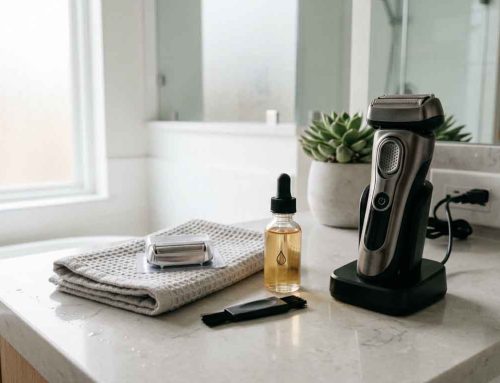
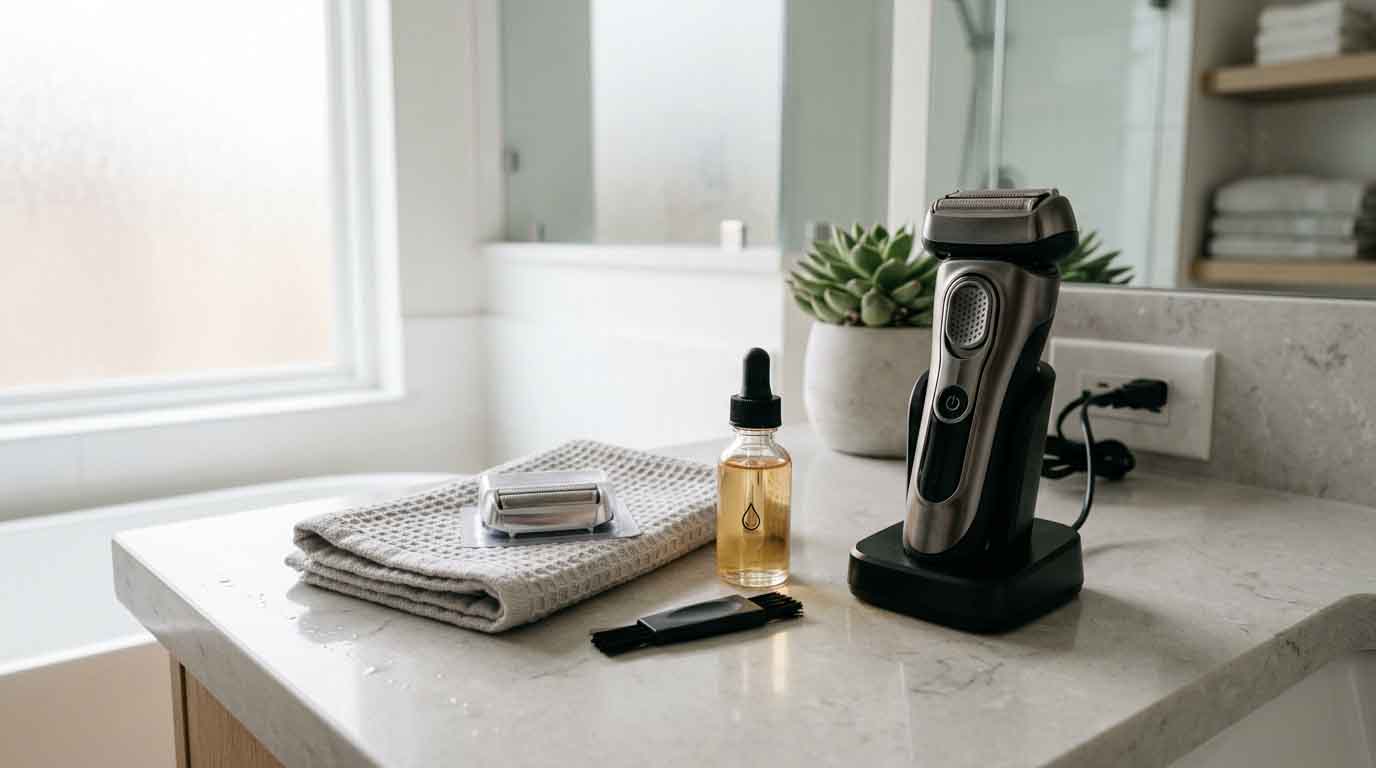
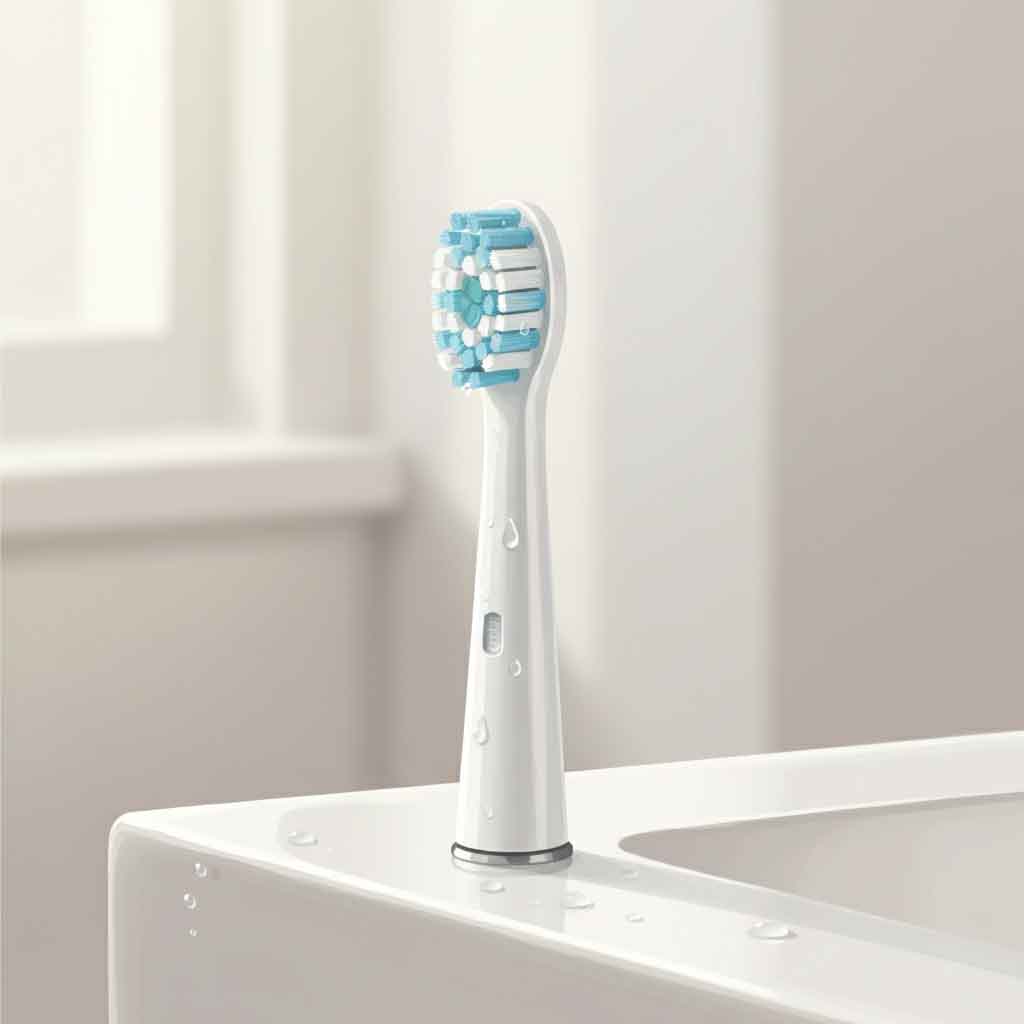
A worn shaver head on sensitive older skin is genuinely harmful. The industry standard across major brands is straightforward: replace your shaver heads, meaning the blade and foil assembly, once every 12 months. This is based on the average wear rate of the cutting components under daily use. By the 12-month mark, most blades have completed enough cutting cycles that edge rounding and foil thinning have measurably reduced performance.
Most electric shaver blades need replacing every 12 to 18 months, but daily shavers and those with coarse hair should swap them closer to the 9 to 12 month mark. Pulling, tugging, patchy results, and increased skin irritation are your shaver’s way of telling you the blades are already overdue for a change.
Electrospares.Net Ltd stocks replacement heads for the major brands, Braun, Philips, and Panasonic, so keeping to that schedule is straightforward without needing to hunt across multiple retailers.
Pro Tip: Set a recurring calendar reminder every 12 months labelled “replace shaver head”. It takes 30 seconds to set up once and will save you months of unnecessary skin irritation. If the shaver is pulling or leaving patches, replace sooner, your skin is telling you something.
Step 5, Hair and the Details That Define Your Look
After 50, the details matter more than they did before. A good skin routine is invisible to others. Your hair, brows, and ear and nose hair are immediately visible.
Working With Grey and Thinning Hair
Studies show that by age 50 approximately 85% of men experience some degree of hair thinning or balding due to hormonal changes and genetic predisposition. It is often quoted as a rule of thumb that 50% of people are 50% grey by the age of 50. Both are normal, and both respond well to the right grooming approach.
Grey hair behaves differently to pigmented hair. Grey hair often feels coarser and wirier, and it picks up a yellow tinge from sun, smoke, and product build-up. The fix is simple: use a sulphate-free shampoo every two to three days, condition every time you wash, and add a purple shampoo once weekly if yellowing is a concern.
Hair is where many older men overcorrect or give up. Dyeing grey hair back to a flat brown ages a man more than the grey ever did, because a block of uniform colour looks artificial next to an ageing face. Work with the grey, keep it well cut, textured, and clean.
The Details People Actually Notice
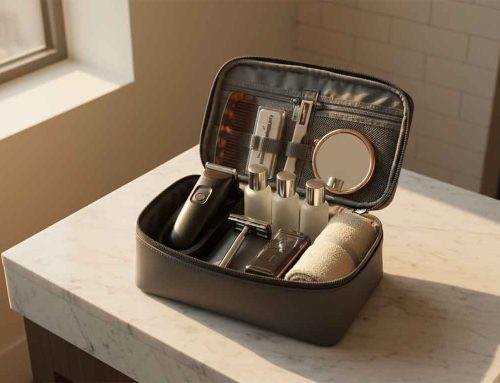
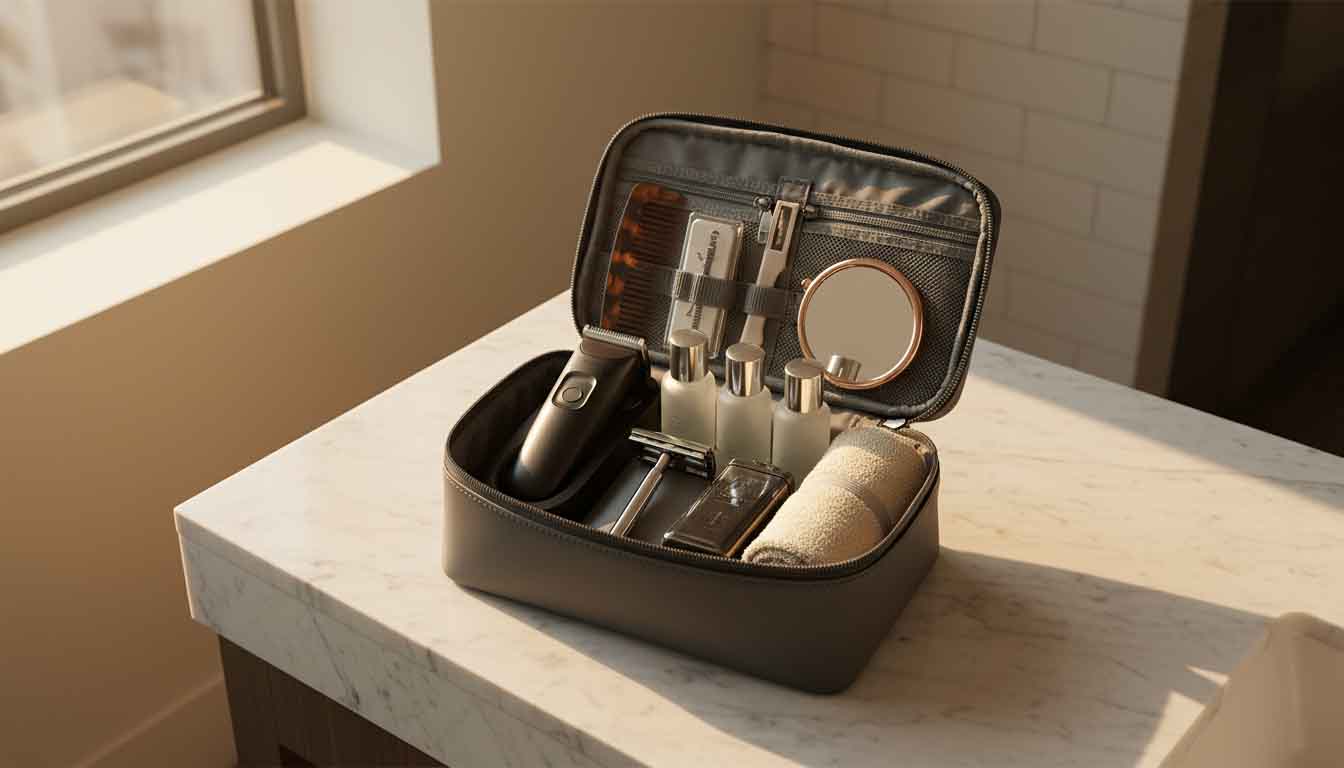
After 50, nose, ear, and eyebrow hair grows longer and coarser, and it is easy to miss in the mirror. Trim it once a week with a small rotary trimmer, and never pluck nose hair. A trim once a week takes under two minutes and the difference in overall appearance is significant. This is where the Shaver Spares resource at Electrospares.Net Ltd is worth bookmarking, as they stock trimmer accessories and attachments alongside full replacement shaving heads.

Common Mistakes That Undo Good Grooming Habits
Even men who have a routine in place often make a small number of errors that cancel out the benefits.
Using Hot Water to Wash Your Face
Use warm, not hot, water, as hot water can strip skin of its natural oils. This matters more after 50 because the skin’s natural oil production is already compromised. Hot water compounds the problem and leaves skin tight and reactive before you have applied a single product.
Pressing Too Hard With Your Shaver
After 50, pressing a shaver harder into the skin to compensate for a dull blade is one of the most common causes of daily irritation. Look for shavers with SenseIQ or similar sensor technology that reads hair density and adjusts power in real time, which can prevent the razor from pressing too hard against delicate skin. If you are pressing hard, your blades are past due for replacement.
Applying SPF Under Your Moisturiser
Cleanser first, then any serums or actives, then moisturiser, then SPF last in the morning. Putting SPF under your moisturiser is one of the most common mistakes men make; it dilutes the protection.
Washing Hair Every Day
After 50, nose, ear, and eyebrow is harmful to older hair. Fix: a gentle shampoo every two to three days, and conditioner every time. Daily washing with a strong shampoo strips the scalp of what little natural oil remains after 50, leaving hair brittle and dull.
Frequently Asked Questions
How many steps does a man over 50 actually need in his grooming routine?
Three steps in the morning, cleanse, moisturise, and SPF, form the effective minimum. Add retinol two to three nights per week and a weekly exfoliation and you have a complete routine. A skincare routine over fifty does not need to be complicated, but it should be consistent. Five products used reliably will outperform fifteen used erratically.
Is it too late to start a skincare routine in your 50s?
No. Male skin after 50 is biologically and elasticity, cellular turnover is slowing, and the effects of years of environmental exposure are becoming more visible. With the right routine, however, the results can be remarkable. The skin responds to consistent care at any age, and the protective benefits of SPF begin the moment you start using it.
How often should I replace the heads on my electric shaver?
Most major electric shaver manufacturers, including Braun, Philips Norelco, and Panasonic, recommend replacing the shaving head every 12 to 18 months. If you shave daily or have coarse facial hair, aim for the 12-month end of that window. Pulling or increased redness after shaving is a reliable sign that replacement is overdue. Electrospares.Net Ltd stocks genuine replacement heads for all major brands.
What is the most important single addition for men over 50 who currently use no skincare?
SPF 30 or above, applied every morning. Unlike natural ageing, photoageing is caused by ultraviolet exposure, according to the Skin Cancer Foundation. This UV-driven ageing happens because UV rays break down collagen and elastin over time. Every other improvement you make to your routine is undermined if you are still going outside unprotected each day.
Should men over 50 use the same shampoo they have always used?
Almost certainly not. After 50, nose, ear, and eyebrow age. Hair gets drier and more brittle, and daily washing with a strong shampoo makes it worse. Switch to a sulphate-free shampoo used every two to three days, with conditioner applied every single time you wash. If your hair is grey or white, add a purple shampoo once a week to counter any yellowing.
The Bottom Line
A grooming routine that works after 50 is built on four pillars: protect the skin from UV damage every single morning, hydrate with ingredients that match what older skin actually needs, shave with a method and a well-maintained tool that respects thinner and more reactive skin, and attend to the details, hair, brows, and trimming, that have outsized impact on how put-together you appear. None of these steps are demanding. All of them compound over time. Start with the one that is furthest from your current routine and add the others at a pace that sticks.
Sources
- Men’s Skincare in Your 50s, Dr Sebagh. Expert five-step routine advice for male skin over 50. Male skin after 50 is biologically
- 11 Great Grooming Habits for Guys 50 and Older, AARP. Practical daily grooming tips for mature men. https://www.aarp.org/entertainment/style-trends/info-2021/grooming-tips-for-men.html
- How Men’s Skin Changes After 50, Smart Shave. Biological changes in skin and shaving adjustments. https://smartshave.co.uk/how-mens-skin-changes-after-50-and-how-to-adjust-your-shaving-routine/
- Effect of the Sun on Visible Clinical Signs of Aging, PubMed / US National Library of Medicine. Peer-reviewed study finding UV responsible for 80% of visible facial ageing. https://pubmed.ncbi.nlm.nih.gov/24101874/
- Up to 90% of Visible Skin Aging Is Caused by UV Damage, Skin Cancer Foundation via Essuntials. UV photoageing statistics and prevention. Unlike natural ageing, photoageing
- 8 Best Electric Shavers for Older Men in 2026, Men’s Shaver Reviewer. Comparative review of shavers for sensitive skin. https://mensshaverreviewer.com/best-electric-shavers-for-older-men/
- Best Electric Shaver for Older Men, BestBomg. Foil vs rotary comparison for mature skin. foil shavers offer gentler
- How Often Should You Replace Electric Shaver Blades, The Glossy Locks. Full guide to replacement intervals by brand. https://theglossylocks.com/how-often-should-you-replace-electric-shaver-blades/
- Do Electric Shavers Get Dull?, Shaver One. The 12-month replacement rule explained. The industry standard across major
- More Than Half of US Men Now Use Facial Skincare, Mintel. Market research showing 68% growth in male skincare adoption. https://www.mintel.com/press-centre/more-than-half-of-us-men-now-use-facial-skincare-a-68-increase-from-2022/
- Grooming Secrets for Mature Men, Society of Certified Senior Advisors. American Academy of Dermatology moisturiser timing guidance. https://blog.csa.us/2024/10/Coffee-Break.html
- My 53-Year-Old Dad’s Mature Men’s Skin Care Routine, CNN Underscored. Dermatologist-recommended morning and evening routine. A dermatologist-recommended
- Retinol for Men, Dr. Dennis Gross. How to use retinol for men’s skin. https://www.drdennisgross.com/how-to-use-retinol-for-men.html
- Retinol for Men’s Skin Care, Skin Type Solutions. Complete guide to retinol use for older male skin. Retinol has become one of the most
- Hair Loss in Men Over 50, Doctronic. Hair thinning statistics and grooming strategies. https://www.doctronic.ai/blog/hair-loss-men-over-50/
- What Happens to Men’s Hair as It Ages, Modern Barber. Expert commentary on ageing hair changes. https://modernbarber.co.uk/what-happens-to-mens-hair-as-it-ages
- Hair Care for Men Over 60, Book of Barbering. Practical guidance on shampoo, conditioning, and trimming after 50. After 50, nose, ear, and eyebrow
- Grooming and Fashion Habits That Improve an Older Man’s First Impression, Reverie Page Magazine. Daily skincare sequence and hair advice. https://reveriepage.com/blog/grooming-and-fashion-habits-that-improve-an-older-mans-first-impression
- 9 Best Moisturisers for Men Over 50, Smytten. Ceramide and ingredient guidance for mature skin. https://smytten.com/blogs/skincare/9-best-moisturizers-for-men-over-50-hydrate-rejuvenate
- Age-related Hair Changes in Men, ScienceDirect. Peer-reviewed research on androgenetic alopecia and greying. https://www.sciencedirect.com/science/article/abs/pii/S0378512214003259