

Replacement toothbrush heads are one of the most predictable consumables in personal care retail. The American Dental Association recommends replacing a brush head every three to four months, and microscopic wear and bacterial buildup reduce its effectiveness well before bristles appear visibly frayed. That predictable replacement cycle is precisely what makes the category so attractive for resellers, but it also means customer expectations around compatibility, quality and value are high from the outset.
The UK electric toothbrush market generated revenue of USD 212.3 million in 2024 and is expected to reach USD 285.2 million by 2030, growing at a CAGR of 5% over that period. Heads sold separately represent an additional, growing slice of that figure. Therefore, if you plan to stock and resell bulk toothbrush heads, the decisions you make before placing your first order, on compatibility, minimum order quantities, quality benchmarks and compliance, will largely determine whether the category becomes a profitable line or a slow-moving liability.

Key Takeaways
- Replacement demand is structural, not trend-driven: Replacing your electric toothbrush head every three to four months keeps your brush performing the way it should, meaning four units per year, per customer. Please build your stock forecast around that baseline.
- Compatibility is the single biggest reseller risk: Oral-B operates two separate compatibility systems. The iO series uses dedicated iO brush heads that only fit iO handles, while all other Oral-B rechargeable models share the same standard round connection and are fully cross-compatible. Stocking the wrong variant loses sales and erodes trust.
- Third-party heads are 30-60% cheaper, but their quality varies widely: Generic or third-party brush heads are often 30-60% cheaper than OEM versions, but these cost savings come with trade-offs. Resellers must vet suppliers carefully, or returns and poor reviews will eat the margin.
- Certification is non-negotiable for UK resale: An electric toothbrush head is considered certified when it carries a CE, RoHS, REACH, or ISO stamp on the packaging. CE indicates compliance with European Union standards for safety and health.
- Eco-friendly heads are a growing niche: biodegradable options are gaining traction, with significant sales volumes and high reorder rates. Stocking at least one sustainable line positions you ahead of where mainstream consumer demand is heading.
Quick-Start Prioritisation Framework
| Strategy | Best For | Effort Level | Time to Results |
|---|---|---|---|
| OEM-branded heads only | Pharmacies, dental practices | Low | Immediate |
| Compatible third-party, vetted brands | Online stores, general retail | Medium | 2-4 weeks |
| Mixed range (OEM + compatible + eco) | Specialist oral care resellers | Medium-High | 4-8 weeks |
| Private-label / white-label range | Established brands, subscription businesses | High | 3-6 months |
Start here if you are:
- A new or small reseller: Begin with OEM-branded heads for the two or three highest-selling handles in your market (typically Oral-B standard round and Philips Sonicare). Low effort, zero returns due to compatibility issues, and proven demand.
- An established online retailer: Introduce vetted compatible heads alongside OEM lines. The margin uplift is significant, and you control the narrative by selecting suppliers with documented CE and RoHS certification.
- A specialist oral care business: Build a full range spanning OEM, third-party and eco-friendly heads, and explore subscription or auto-replenishment models to lock in recurring revenue.
Understanding Compatibility Before You Buy Anything
Compatibility is where resellers most commonly trip up. Unlike many consumables, toothbrush heads are not interchangeable across brands or even across all models within a brand, and stocking the wrong product leads directly to returns and negative reviews.
The Two Dominant Ecosystems
Oral-B’s everyday brush head replacements are designed to fit most Oral-B electric toothbrush handles, but only iO exclusive brush heads fit the advanced Oral-B iO Series. This distinction matters enormously for bulk buyers: iO heads command a premium price point and serve a different customer segment from standard round heads. All Philips Sonicare brush heads are compatible with all Philips Sonicare electric toothbrushes, and they simply click on or off for easy cleaning or replacement. That wider within-brand compatibility makes Sonicare heads a lower-risk stock choice when you cannot be certain which exact handle model your customer owns.
Third-Party and Compatible Heads
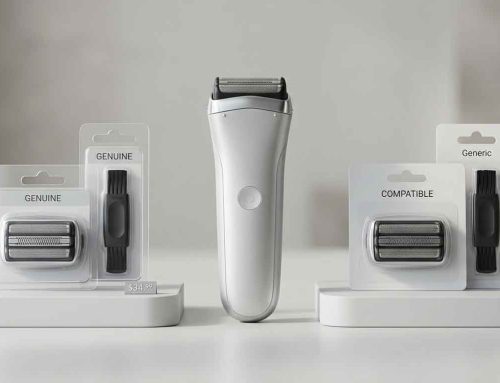
Each brand tends to manufacture brush heads tailored to fit the size, power delivery and locking mechanism of its own handles. While the core function may be universal, high-frequency bristle motion, the design specifics often vary. Third-party manufacturers reverse-engineer these connections to produce compatible alternatives. Users report saving 40-70% by switching to a well-reviewed third-party head with no perceptible change in cleaning, while others report heads that loosen or lose bristles within weeks from no-name sellers. The spread in that outcome is the core commercial risk for resellers.
Pro Tip: Always request a physical sample batch before committing to an MOQ order of compatible heads. Test fit on the actual handle models you claim compatibility with, and check that the head locks securely without wobble before listing the product.
Smart Brush Features and Third-Party Limits
Third-party heads lack the RFID chips used by Sonicare BrushSync and similar tracking features, which means no automatic mode switching or replacement reminders for the end user. Communicate these limitations clearly in your product listings. Customers who rely on app-based tracking will prefer OEM heads, while those who brush manually or use older handles will consider compatible heads perfectly adequate.
Navigating Minimum Order Quantities as a Reseller
Minimum order quantity is the fewest number of units a business is willing to sell to a single customer in one transaction. At the manufacturer or wholesaler level, one-offs are usually not profitable, and sellers may require a minimum order of dozens, hundreds, or thousands of units, depending on the product.
Sizing Your MOQ to Your Actual Demand
Ordering a high MOQ without confirming demand leads to unsold inventory, long-term storage fees and cash flow bottlenecks. Always tie your order size to real sales estimates. In practice, this means pulling your existing sales data for electric toothbrush accessories, checking keyword search volumes for the specific head model, and stress-testing the assumption that customers in your audience replace heads on schedule. Apparel retail brands typically aim for a wholesale profit margin of 30 per cent to 50 per cent, so your order size must be large enough to meet supplier MOQs while ensuring that customers in your audience replace heads on schedule.
Negotiating MOQs With Suppliers
If a manufacturer has a higher MOQ than you would like, you can always attempt to negotiate. If they do not budge and still require an MOQ that is too high, consider working with a trading company or wholesale distributor, the middlemen who buy in bulk from a manufacturer and resell smaller quantities to others. For toothbrush heads specifically, MOQs vary widely, with some products requiring as low as 2 units, making them accessible for small businesses.

Pro Tip: Ask suppliers whether you can mix compatible head variants, for example, standard round and sensitive variants for the same handle system, to hit their MOQ without over-committing to a single SKU. Many factories accommodate this.
Quality and Safety Standards You Cannot Ignore
Reselling a toothbrush head that breaks in a customer’s mouth, or one found to contain restricted chemicals, exposes your business to liability. Quality vetting is not optional; it is a baseline commercial requirement.
Certifications That Matter in the UK
You should always check the certification of your toothbrush head to ensure that it is up to standards. The head should carry CE, RoHS and REACH certification, as well as ISO qualification. This means the heads have been tested for safety and quality and are certified for use.
Post-Brexit, UK resellers should be aware that the UKCA mark operates alongside the CE mark. The majority of the changes to trade are behind the scenes, but some include replacing EU references with UK or GB and allowing the option to use UKCA marking alongside the EU’s CE marking on certain goods. Confirm with each supplier which markings their products carry and ensure the documentation is current.
Bristle Quality as a Practical Benchmark
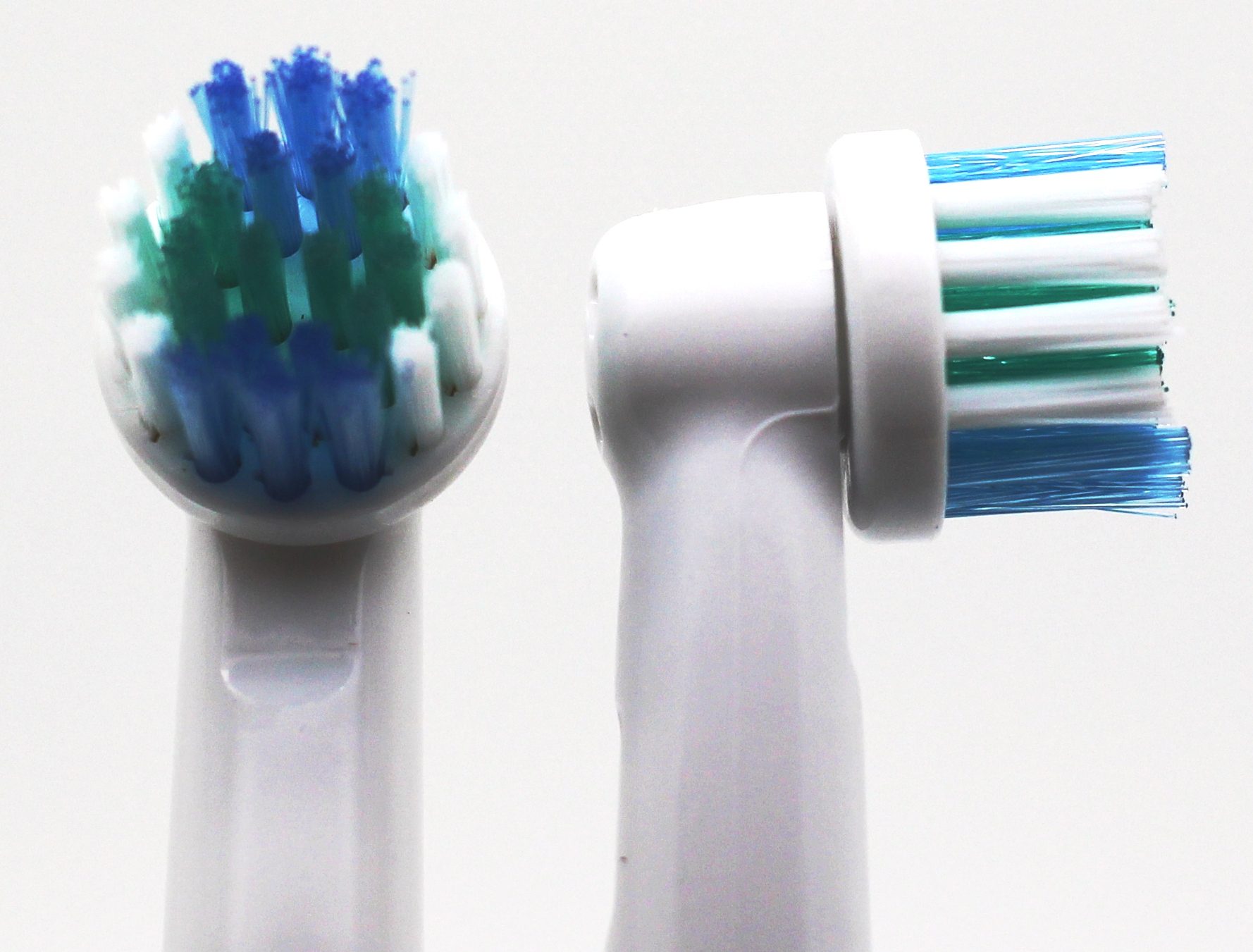
Third-party brush heads offer significant savings, but quality varies. The best third-party heads use end-rounded bristles comparable to OEM. Un-rounded bristle tips are a known cause of gum irritation and a common trigger for consumer complaints. Request a material data sheet or a physical inspection report from any new supplier and confirm the bristle material; DuPont Tynex bristles are widely regarded as a reliable benchmark.
Official replacement heads are rigorously tested for quality, durability and safety standards. Non-official options may cut corners in materials or production processes, compromising their performance. When you source compatible heads, you are essentially taking on responsibility for those quality checks yourself.
Pro Tip: Platforms such as Electrospares.Net Ltd on shaver-spares.co.uk stock replacement heads that have already been screened for fit and quality across major handle brands, a practical shortcut for resellers who want a reliable compatible range without running through full supplier vetting from scratch.
Positioning Your Range for Profitability
Stocking the right products is only half the task. The other half is structuring your range so that each SKU earns its shelf space and drives repeat purchase.
OEM Versus Compatible: Building a Dual-Tier Range
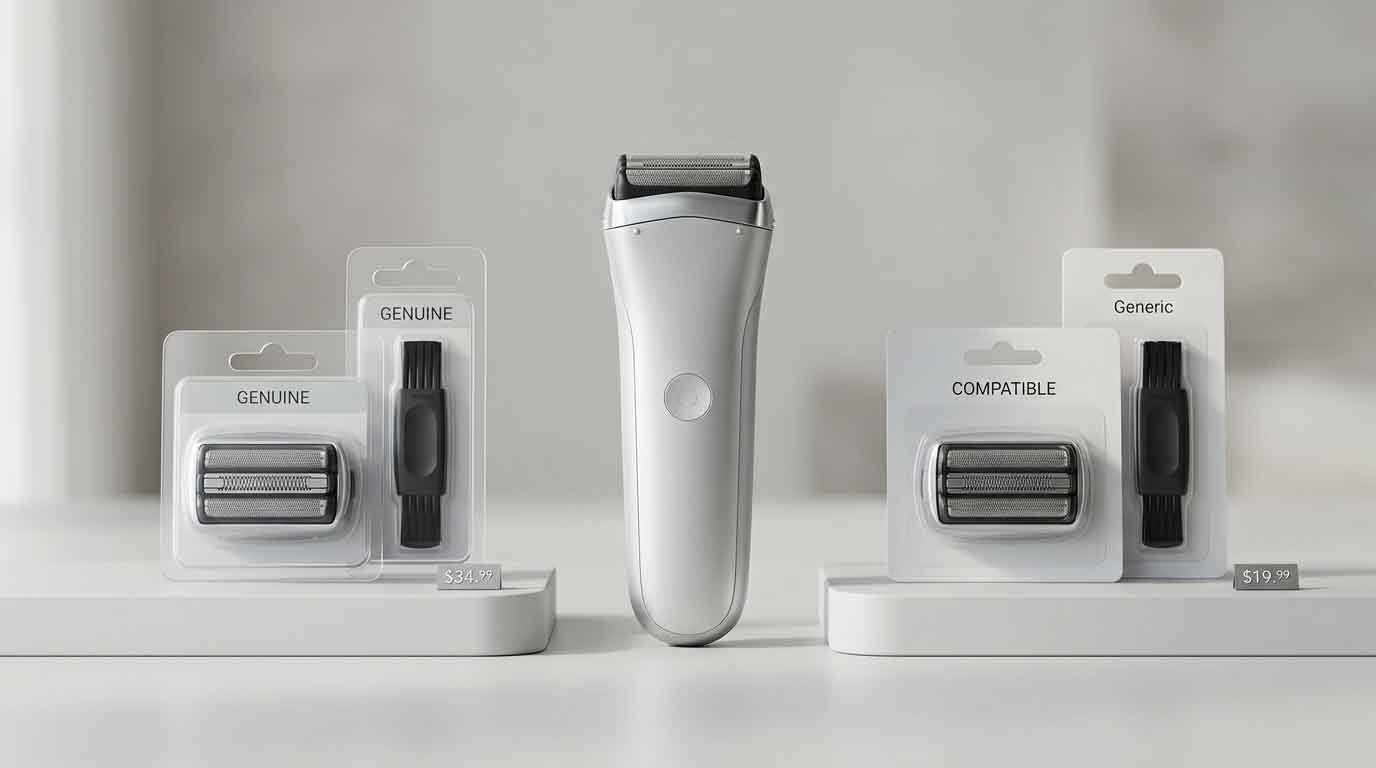
In 2025, the demand for replacement heads remains strong. Branded heads from Philips Sonicare and Oral-B dominate premium segments, while generic and compatible alternatives are gaining traction due to their lower prices. A dual-tier approach, one OEM option and one well-vetted compatible option per major handle system, gives customers a genuine choice and increases their average basket value. Annual running costs for OEM heads typically reach £20-50 per year depending on whether you buy in bulk, on sale or at full price. A comparable compatible range can come in at roughly £12 per year. Both price points have active buyers; stock them both.
The Eco-Friendly Opportunity
Rising environmental awareness is encouraging manufacturers to develop sustainable electric toothbrushes using compostable and biodegradable materials. The eco-electric toothbrush segment is forecasted to grow at a CAGR of 14.2% from 2025 to 2035. Eco-friendly packaging and biodegradable bristles are emerging as differentiators, appealing to environmentally conscious buyers. Stocking one certified eco-friendly head SKU does not require a large inventory commitment, but it signals credibility and captures a segment willing to pay a premium.
Building Repeat Purchase Through Subscription and Bundling
Bundling electric toothbrushes with related products such as replacement heads, toothpaste and dental floss helps draw attention to your listings. Subscription models work especially well in this category because the replacement cycle is known: every three months. UK household penetration of electric toothbrushes has reached 55-62% of UK adults, and replacement kit purchases and first-time adoption among younger demographics continue to drive ongoing volume growth of 2-4% per year. That installed base is your addressable market for heads. A four-head subscription delivering one head per quarter captures the full annual spend from each customer.

Common Mistakes That Cost Resellers Money
In my experience, most early-stage reseller problems in this category can be avoided with better pre-order discipline.
Confusing Physical Fit With Functional Compatibility
The wrong brush head can reduce cleaning effectiveness, damage gums, or even void a customer’s warranty. A head that physically snaps onto a handle but does not deliver vibration efficiently is worse than a head that does not fit at all; the customer will not realise the problem until their cleaning results deteriorate. Always verify functional performance, not just physical fit.
Over-Indexing on Price Without Vetting Suppliers
Based on comparative laboratory testing, you should probably avoid the cheapest compatible heads. Testfakta Research conducted a comparative test of Oral-B CrossAction and nine compatible heads, carried out by three independent laboratories covering clinical testing, endurance and technical performance. The cheapest options consistently underperformed on durability and bristle retention. The price difference between a sub-£1 no-name head and a £2-£3 vetted compatible head is not significant per unit, but the difference in returns and customer satisfaction is substantial.
Ignoring Stock Forecasting Discipline
Ordering too much inventory may result in tied-up capital, higher storage and handling costs, and greater obsolescence risk. Order too little and you cannot meet demand for a certain product. For toothbrush heads, overstocking is the more common error because resellers overestimate how many of their existing customers own electric toothbrushes. I’ve found that cross-referencing your customer base against market penetration data before ordering is much more reliable than relying on instinct.
Frequently Asked Questions
How many toothbrush heads should I stock per handle model?
Start with a conservative range of two to four head SKUs per major handle system: at minimum, a standard cleaning head and a sensitive or gum-care variant. Consumers are increasingly seeking heads tailored to specific needs, such as sensitive gums, whitening or kids’ oral care. Adding a whitening or kids’ head once your standard lines are established gives you upsell options without overcomplicating your range.
What is the difference between OEM and compatible heads when it comes to resale?
OEM (Original Equipment Manufacturer) heads are produced by the brand itself, while third-party alternatives are made by other manufacturers and engineered to be compatible. From a resale perspective, OEM heads carry the brand’s warranty assurance and smart features, while compatible heads offer higher margins and lower retail prices but require more supplier vetting on your part.
Do I need to display specific certifications on product listings?
Yes. Buying CE-certified toothbrushes reduces legal and compliance risks, especially if your business distributes products within the EU or UK. It also enhances marketability, as many retailers require CE marking before accepting products. List the certifications clearly in your product descriptions and keep copies of supplier certification documents.
How do I handle MOQ requirements from suppliers as a smaller reseller?
If a manufacturer does not budge on a high MOQ, consider working with a trading company or wholesale distributor who buys in bulk from a manufacturer and resells smaller quantities. Alternatively, look for suppliers with documented low-MOQ policies; some products on B2B platforms require as few as 2 units, making them accessible for small businesses.
Should I stock eco-friendly heads even if demand in my area seems low?
One of the strongest trends in the UK is the demand for more eco-friendly toothbrushes, as brands launch biodegradable head sections and battery-rechargeable types. Even if current sell-through is modest, holding one or two eco-friendly SKUs positions your range for where consumer demand is tracking and signals that your business is forward-thinking. The reorder rate on eco heads tends to be high once customers convert.
Sources
- UK Electric Toothbrush Market Size & Outlook, 2025-2030, Grand View Research. Market revenue, CAGR and segment data for the UK. The UK electric toothbrush market
- Electric Toothbrush Heads: Types & Compatibility Guide, electric toothbrush. site. Oral-B and Sonicare compatibility systems and third-party head considerations. https://www.electrictoothbrush.site/electric-toothbrush-heads
- Electric Toothbrush Heads Compatibility Guide, Alibaba. OEM vs third-party cost comparison and compatibility checklist. https://www.alibaba.com/product-insights/electric-toothbrush-heads-compatibility-guide-find-the-right-fit-for-your-model.html
- Brush Heads Comparison Article, Oral-B. Official information on Oral-B brush head compatibility. Oral-B’s everyday brush head
- Toothbrush Replacement Heads, Philips Sonicare. Sonicare cross-compatibility policy and dentist recommendation data. https://www.usa.philips.com/c-m-pe/toothbrush-heads
- Electric Toothbrush Replacement Heads, AquaSonic. Replacement frequency guidance and selection tips. https://www.aquasonic.com/blogs/news/electric-toothbrush-replacement-heads
- When to Replace Your Toothbrush or Brush Head, Sweet Hart Dental. ADA recommends replacing your toothbrush or brush head every three to four months. https://www.sweethartdental.com/blog/when-to-replace-your-toothbrush-or-brush-head/
- Minimum Order Quantity (MOQ): Formula, Tips & Benefits, NetSuite. MOQ definitions, supplier dynamics and negotiation guidance. https://www.netsuite.com/portal/resource/articles/inventory-management/minimum-order-quantity-moq.shtml
- MOQ and How It Affects Wholesale Orders, Faire. Retailer-facing guide to minimum order quantities and inventory risk. Ordering too much inventory
- Minimum Order Quantity, Seller Assistant. Amazon wholesale seller guidance on MOQ risks and demand verification. https://www.sellerassistant.app/blog/minimum-order-quantity/
- Certification of Electric Toothbrush Heads, Oralcare. CE, RoHS, REACH and ISO certification requirements explained. https://www.uoralcare.com/certification-of-electric-toothbrush-heads/
- ISO Toothpaste & CE Toothbrush Certifications, Oralgos. Procurement guide to certification requirements for UK and EU markets. https://oralgos.co.uk/2025/09/17/iso-toothpaste-ce-toothbrush-certifications/
- Electric Toothbrush Head Top Sellers 2025, Accio. B2B sourcing trends, MOQ ranges and category growth data. https://www.accio.com/business/electric-toothbrush-heads-top-sellers
- Are Generic Electric Toothbrush Heads Worth It?, Tech Advisor. Annual cost comparison between OEM and compatible heads. https://www.techadvisor.com/article/2236279/are-generic-electric-toothbrush-heads-worth-it.html
- Compostable Toothbrush Market Trends 2025-2035, Future Market Insights. Eco-friendly head CAGR and sustainability trend data. https://www.futuremarketinsights.com/reports/compostable-toothbrush-market
- UK Oral Care Market, Nexdigm. UK adult electric toothbrush penetration and oral care market size. https://www.nexdigm.com/market-research/report-store/uk-oral-care-market/
- Test of Toothbrush Heads: Original vs. Copies, Testfakta. Independent multi-lab comparative test of OEM and compatible heads. https://www.testfakta.com/en/test/test-of-toothbrush-heads-the-original-against-the-copies