

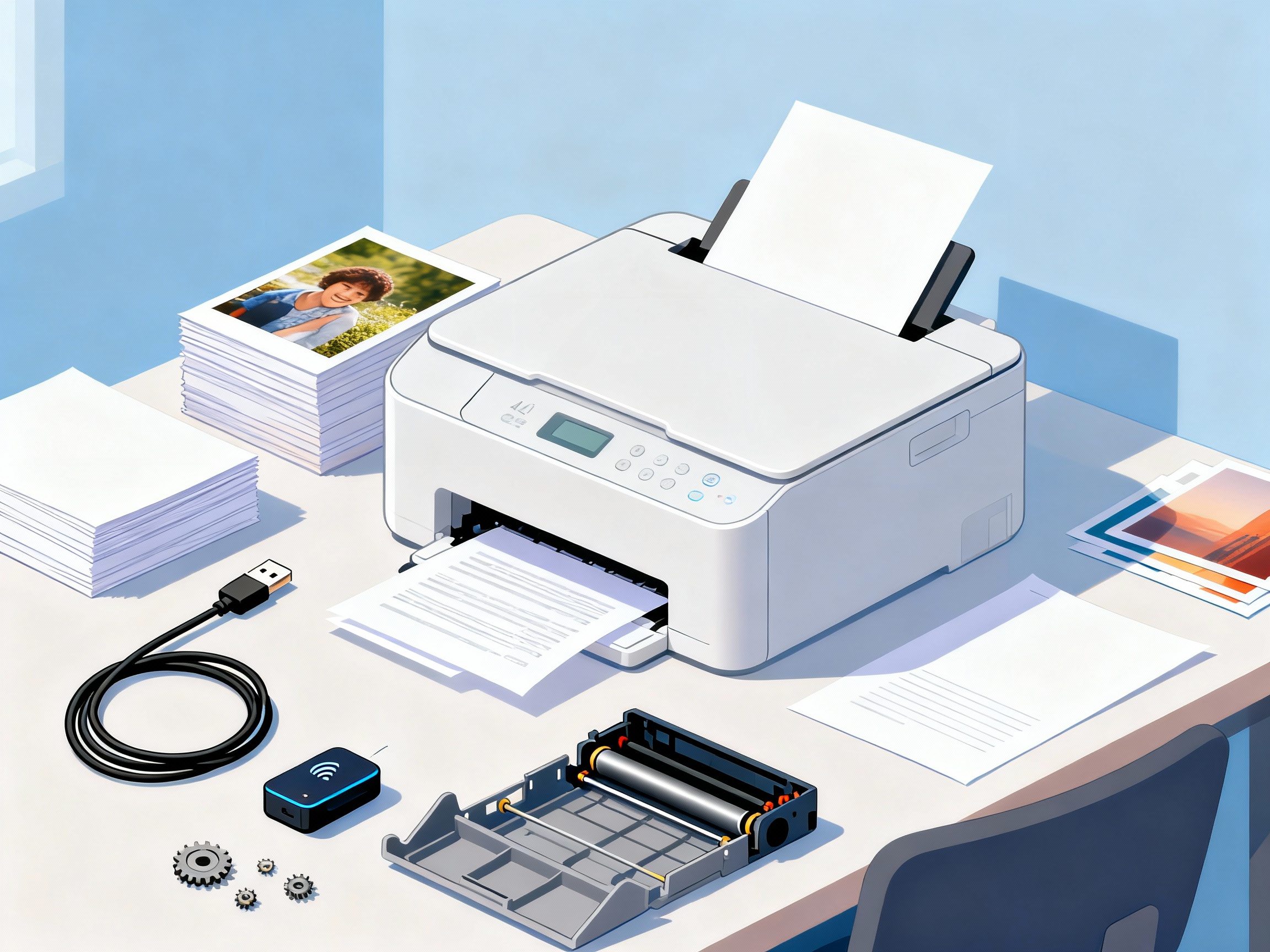
Owning a printer can be a bit like managing a small business. You need the right supplies to keep things running smoothly, and nothing is more important than finding the right toner cartridge. Whether you own an HP, Brother, or Canon printer, the type of toner you choose can greatly impact print quality, efficiency, and your wallet. But with so many options available, how do you ensure you’re getting the best for your specific printer model? Might selecting the appropriate toner actually prolong your printer’s lifespan and result in long-term savings?
Key Takeaways
- Knowing your printer model is crucial for selecting the correct toner cartridge
- Compatibility is key to preventing printer damage and ensuring optimal performance
- Understanding the differences between toner and ink cartridges helps make informed decisions.
- Evaluating toner quality and page yield can lead to better print results and cost savings
- Assessing the cost-effectiveness of cartridges involves balancing price with performance
Understanding Your Printer Model and Its Requirements
When it comes to choosing the right toner, understanding your printer model is the first step. Each printer is a unique beast with its set of requirements, and the model number is the key to unlocking those secrets. Your printer model determines the specific toner cartridge you need, ensuring compatibility and optimal performance.
Your printer manual is your best friend in this situation. It provides essential details about compatible cartridges and offers guidance on achieving the best printing results. Each printer model may have unique requirements for toner type and size, so it’s vital to refer to this document. If you’ve misplaced your manual, don’t fret—manufacturer websites are a goldmine of information. They often have resources to help you identify the correct cartridge for your specific printer model.
Additionally, online forums can prove invaluable. You can gain insights from other users’ experiences with different models, helping you understand the nuances of various printer types. Manuals and official websites may not always contain the advice these forums can provide. By exploring these resources, you can confidently meet your printing needs, knowing that you’ve selected a cartridge that perfectly matches your printer.
The Importance of Printer Compatibility
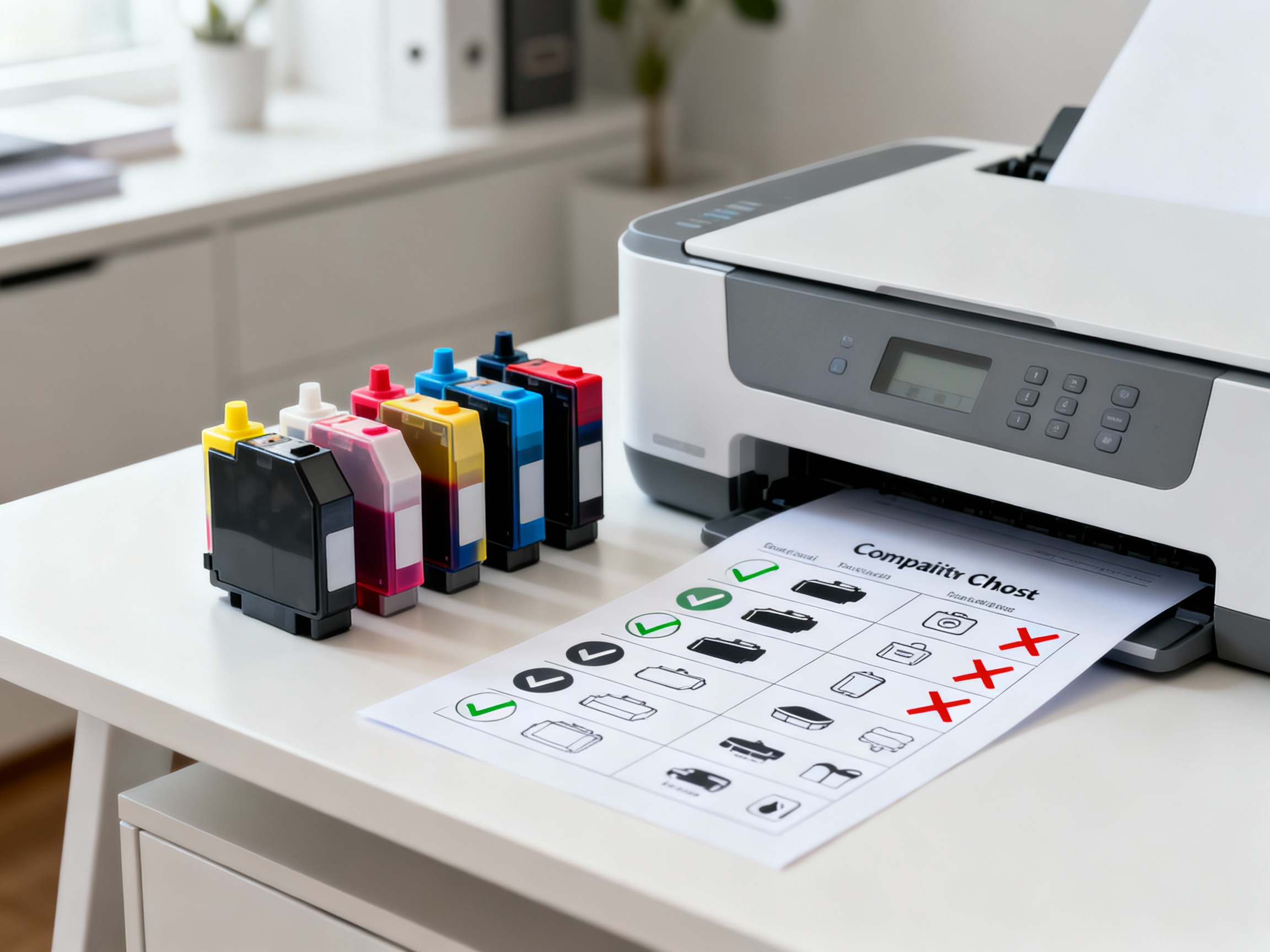
Compatibility is not just a buzzword; it’s the backbone of a smooth printing experience. Ensuring that your toner cartridge is compatible with your printer guarantees that it fits and functions correctly. This prevents potential damage to your printer, which could lead to costly repairs or replacements. Moreover, proper compatibility ensures optimal print quality and performance, giving you sharp, clear documents every time.
Printer manufacturers are well aware of the importance of compatibility. They offer lists of compatible cartridges on their websites, providing a reliable reference point for your purchases. Checking compatibility before buying saves you time and money, as you avoid the hassle of returns or exchanges. It’s a straightforward step that can prevent many headaches down the line.
Incompatible cartridges can lead to a host of issues, from poor print quality to printer malfunctions. It’s akin to trying to fit a square peg into a round hole—it just won’t work. By prioritising compatibility, you ensure that your printer operates smoothly and delivers the performance you expect.
Comparing Toner Cartridges and Ink Cartridges

The world of printing supplies can be a bit confusing, especially when it comes to understanding the difference between toner cartridges and ink cartridges. Toner cartridges are typically used in laser printers, while ink cartridges are for inkjet printers. This distinction is crucial, as it determines the type of printer technology you’re dealing with.
Laser printers, equipped with toner cartridges, often provide faster printing speeds and are generally more suited for high-volume printing tasks. In contrast, ink cartridges might offer better quality for photo printing, making them ideal for tasks that require detailed, vibrant images. Understanding these differences helps you select the right technology for your needs, ensuring you’re using the most efficient method for your specific printing tasks.
Toner cartridges generally produce more pages before needing replacement, making them a cost-effective option for those who do a lot of printing. They might have a higher upfront cost, but their longevity can lead to savings over time. On the other hand, ink cartridges might be cheaper initially but require more frequent replacements. It’s essential to weigh these factors when deciding which cartridge option best suits your needs.
Evaluating Toner Quality and Page Yield
The quality of toner you choose directly impacts the sharpness and clarity of your prints. High-quality toner cartridges reduce the risk of smudging and fading, ensuring your documents look professional. It’s like having a high-definition TV—you notice the difference in clarity and detail. Therefore, investing in quality cartridges is a wise decision for those who value print quality.
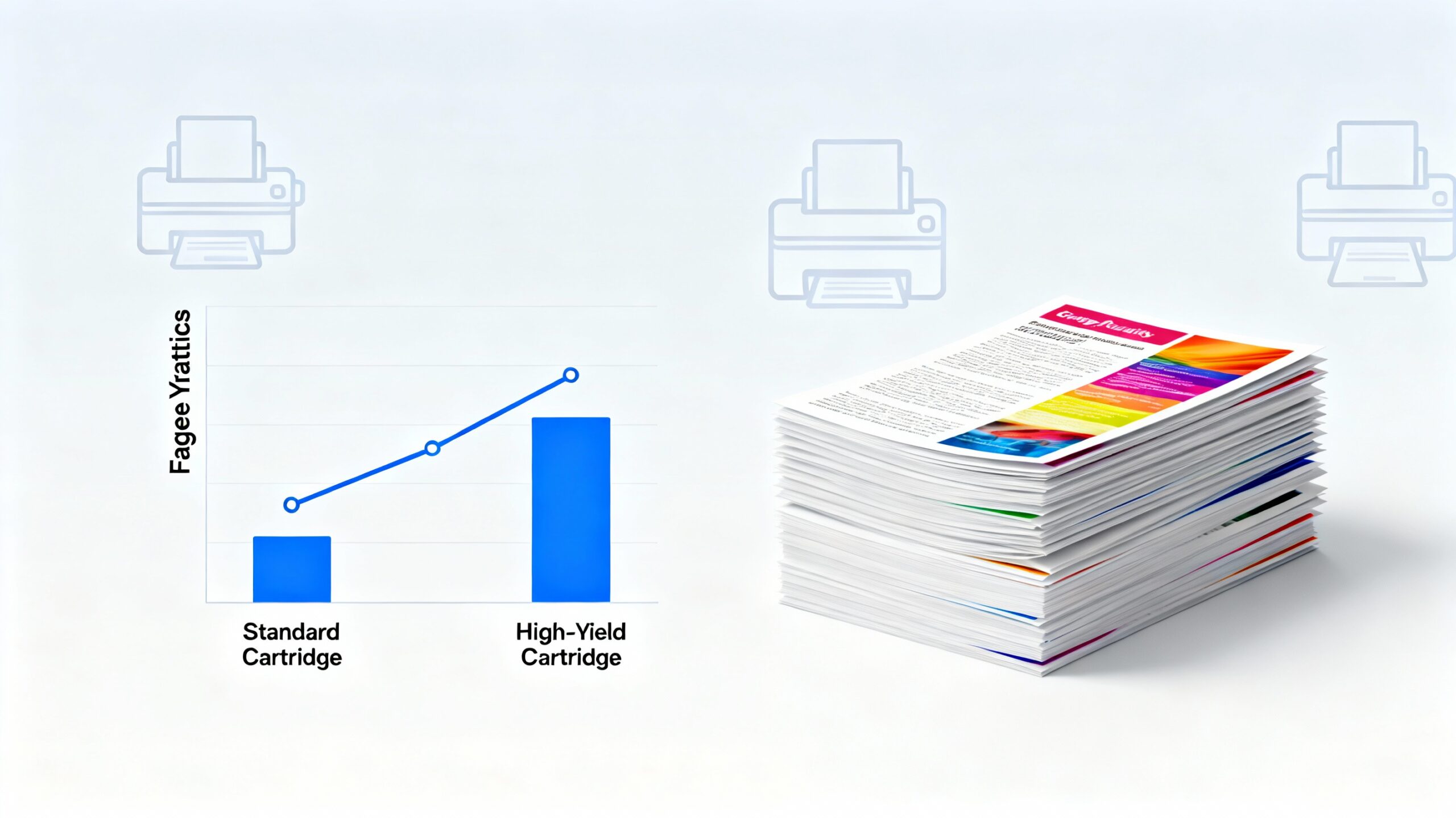
Another critical factor is page yield, which indicates how many pages a cartridge can print before needing replacement. Manufacturer specifications often include expected page yield, giving you an idea of how long a cartridge will last. It’s similar to knowing how far you can drive on a tank of fuel—essential information for planning and budgeting.
User reviews can give an overview of real-world toner performance, offering a glimpse into how a cartridge performs outside of controlled test environments. These reviews can highlight potential issues or confirm the manufacturer’s claims, helping you make an informed decision. By considering both toner quality and page yield, you can select cartridges that offer the best balance of performance and longevity.
Assessing the cost-effectiveness of Cartridges
When evaluating the cost-effectiveness of toner cartridges, it’s crucial to balance initial price with longevity and performance. High-yield cartridges may offer better value over time, despite a higher upfront cost. It’s a classic case of spending a bit more now to save more later. These cartridges often have a lower cost per page, making them an economical choice for frequent printers.
Generic or refurbished cartridges can be more budget-friendly, offering a lower price point for those looking to save. However, it’s important to weigh the potential downsides, such as reduced quality or compatibility issues. When assessing cartridge value, keep in mind that some manufacturers may void warranties if you use non-original cartridges.
By comparing prices across retailers, you can identify the best deals and ensure you get the most value for your money. It’s like shopping for groceries—compare prices and look for discounts to maximise savings. By considering all these factors, you can make a well-informed decision that balances cost with performance.
Tips for Choosing the Right Toner for HP Printers
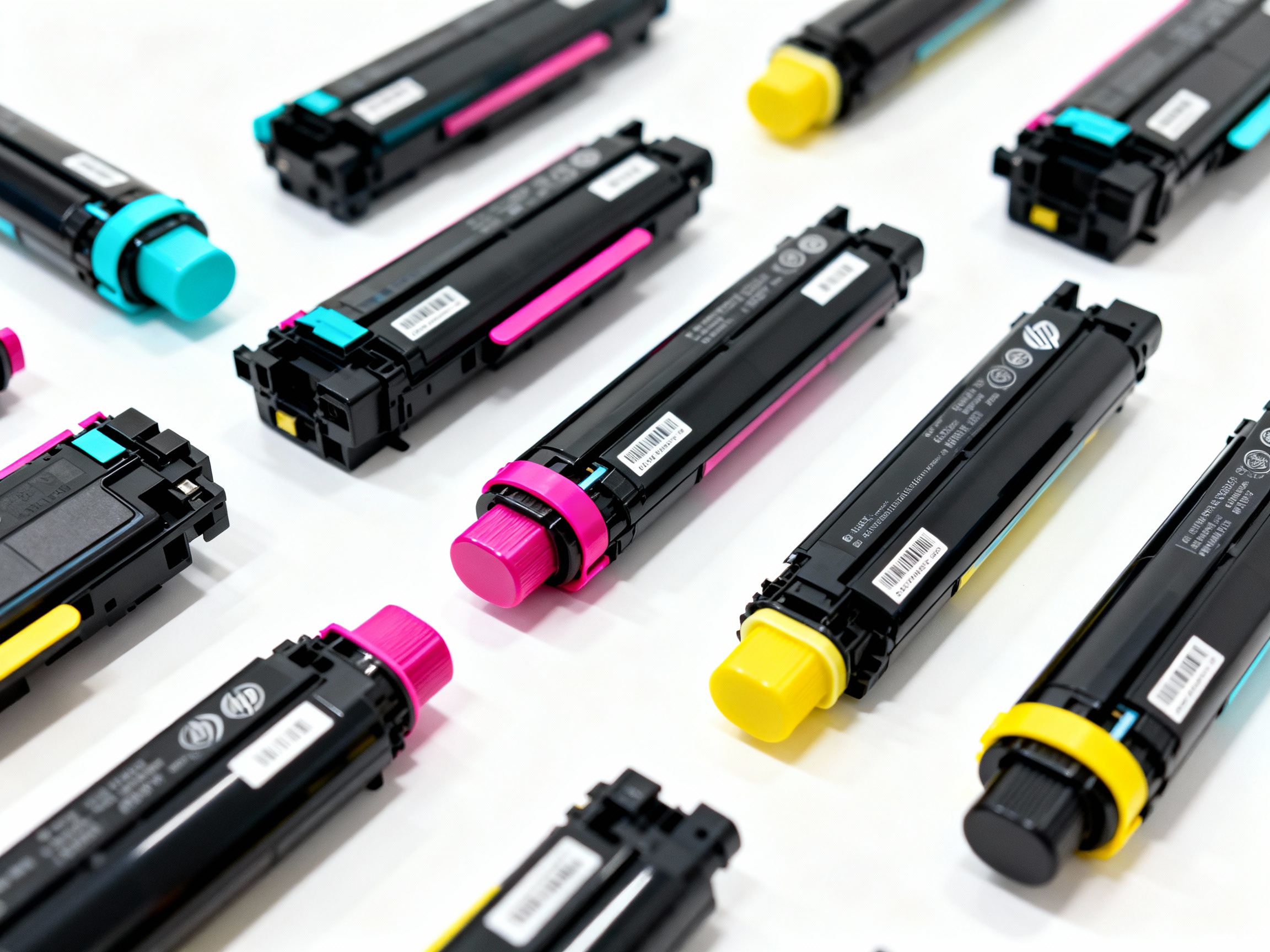
HP printers offer a range of toner cartridges tailored to different models, making it essential to choose the right one. The HP Smart App can assist in finding and ordering compatible toner, streamlining the process and ensuring you get the correct cartridge. This app is a handy tool for HP printer owners, providing a convenient way to manage supplies.
Genuine HP toner cartridges are recommended for optimal performance and quality. These cartridges are designed to work seamlessly with HP printers, reducing the risk of compatibility issues. Additionally, HP’s recycling programme supports sustainability and cost savings, providing an eco-friendly option for disposing of used cartridges.
Online resources provide detailed comparisons of HP toner options, helping you make an informed decision. These resources offer insights into the benefits and drawbacks of different cartridges, allowing you to choose the best fit for your needs. By following these tips, you can ensure your HP printer delivers the quality and performance you expect.
How to Select the Best Toner for Your Brother Printer
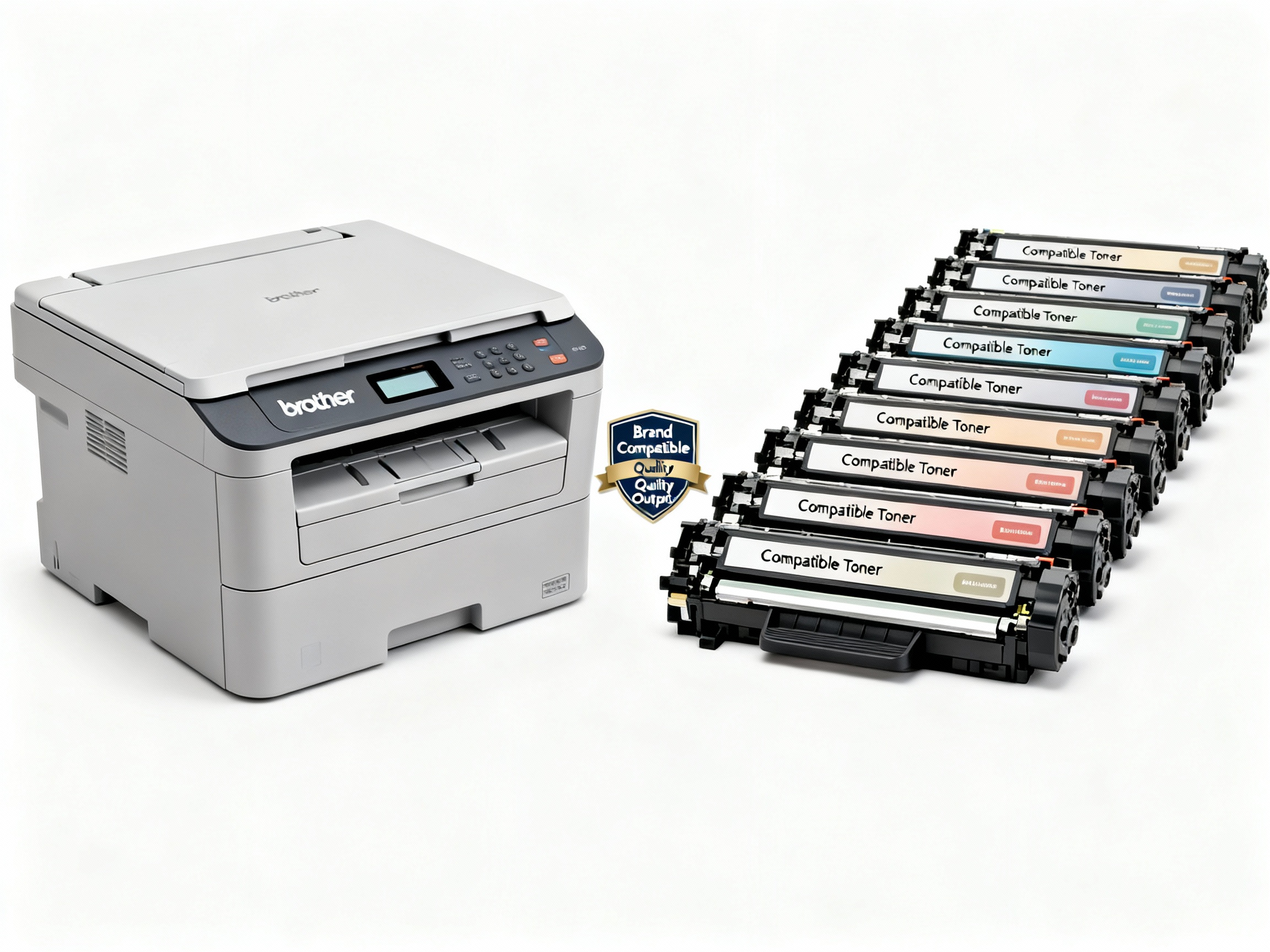
Brother printers benefit from using genuine Brother toner cartridges, ensuring compatibility and optimal performance. Brother’s website offers tools to verify cartridge compatibility, providing a reliable reference for your purchases. This ensures you get the right toner cartridge every time, avoiding the hassle of returns or exchanges.
Brother toner often features high page yields, making it a cost-efficient choice for those who print frequently. These cartridges provide a lower price per page, maximising your printing budget. User reviews can highlight the reliability of specific Brother toner models, offering real-world insights into their performance.
Customer support is available for assistance with toner selection, providing help if you’re unsure which cartridge to choose. Brother’s support team can offer guidance and answer any questions you may have, ensuring you make the best decision for your printing needs.
Guide to Finding the Perfect Toner for Canon Printers
Canon printers perform best with original Canon toner cartridges, designed specifically for their models. Canon’s online support includes guides for finding compatible toner, making the selection process straightforward. These guides offer detailed information, ensuring you choose the right cartridge for your printer.
Canon toner cartridges are known for high-quality image reproduction, which makes them ideal for those who prioritise print quality. These cartridges produce sharp, vibrant prints, bringing your documents to life. Canon offers multi-pack options for bulk savings, providing an economical choice for frequent printers.
Customer feedback can illuminate the pros and cons of Canon toner choices, offering insights into their performance and reliability. These reviews can help you make an informed decision, ensuring you select a cartridge that meets your needs.
Exploring Third-party Cartridges: Pros and Cons
Third-party cartridges can offer significant cost savings, providing a lower price point than original cartridges. However, quality and compatibility may differ between brands, so it’s crucial to conduct thorough research. Some third-party options provide comparable performance to original cartridges, offering a budget-friendly alternative without sacrificing quality.
It’s important to note that using third-party cartridges might void your printer’s warranty, a potential risk to consider. Research and user reviews are crucial when considering third-party options, offering insights into their performance and reliability. By weighing the pros and cons, you can decide whether third-party cartridges are the right choice for you.
Maintaining Your Printer for Optimal Performance and Longevity
Regular maintenance extends the life of your printer and cartridges, ensuring they perform at their best. Cleaning printer components prevents build-up and operational issues, keeping your printer in top shape. Firmware updates improve printer functionality and compatibility, ensuring your printer stays up-to-date with the latest technology.
Proper storage of toner cartridges preserves their quality, ensuring they deliver consistent performance. Manufacturer guidelines offer the best practices for printer maintenance, providing a reliable reference for keeping your printer in tip-top condition. By following these practices, you can enjoy optimal performance and longevity from your printer.
In summary, finding the right toner requires understanding your printer’s specific needs, ensuring compatibility, evaluating quality and cost, and considering third-party options. By taking these steps, you can make informed decisions that enhance your printing experience. What steps will you take today to ensure your printer runs smoothly and efficiently?
Frequently Asked Questions
What should I consider when choosing a toner for my HP, Brother, or Canon printer?
When selecting a toner, first verify the printer model number to ensure compatibility. Check whether you prefer OEM (Original Equipment Manufacturer) toners for assured quality or compatible ones for cost-effectiveness. Consider your printing needs—high-volume users might benefit from high-yield options. Furthermore, look for customer reviews to gauge performance and reliability.
Are compatible toners as good as OEM ones for my printer?
Compatible toners can be a great alternative to OEM toners if you’re on a budget. While they might not always match the quality of original cartridges, many reputable brands offer excellent performance. Just ensure the toner is specifically designed for your printer model to avoid any issues.
How can I prolong the life of my printer toner?
To extend toner life, use the printer’s economy or draft mode for less critical documents. Store cartridges in a cool, dry place to prevent them from drying out. Regularly clean the printer, especially the toner cartridges, to maintain optimal performance. Also, occasionally shake the toner gently to distribute the powder evenly.
What are the signs that my toner needs replacing?
If your prints are fading, streaky, or have inconsistent tones, your toner probably needs replacing. Many printers also provide a low-toner warning. If you’re experiencing these issues, it’s wise to purchase a replacement to avoid interruptions.
Can I recycle used toner cartridges?
Yes, most toner cartridges are recyclable. Many manufacturers, including HP, Brother, and Canon, offer recycling programmes. Simply return the empty cartridges to them, or check local recycling centres that accept toner cartridges. Recycling helps reduce environmental impact and supports sustainable practices.